Tell us about the job
Takes about a minute. No obligation.
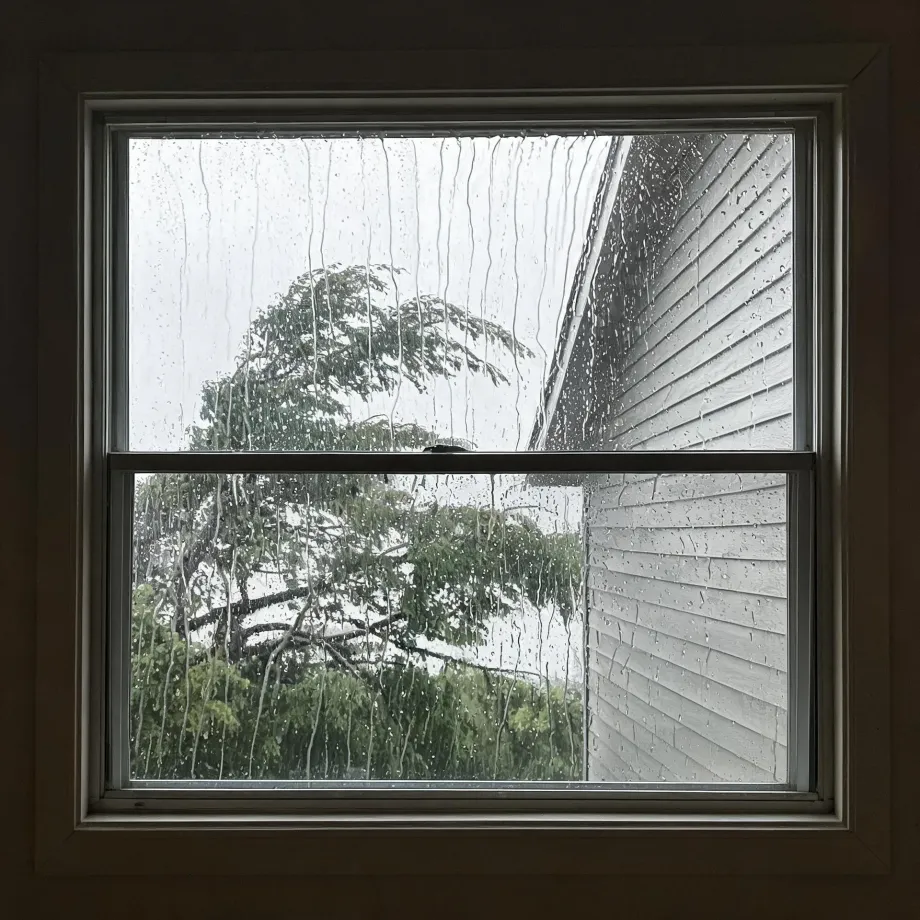
A mini-split installation in Bartow County asks a contractor to think about exposure before they spec anything. 117 severe weather events were recorded in Bartow County, Georgia between 2015 and 2024. At that rate, the weather here is a standing condition, and it shapes where a unit gets mounted, how the line set runs, and which bracket hardware the contractor chooses. A system installed without accounting for that load gets sized for catalog conditions that do not exist at this address. Getting those decisions right at install is what determines whether the equipment runs well or fights the climate from day one.
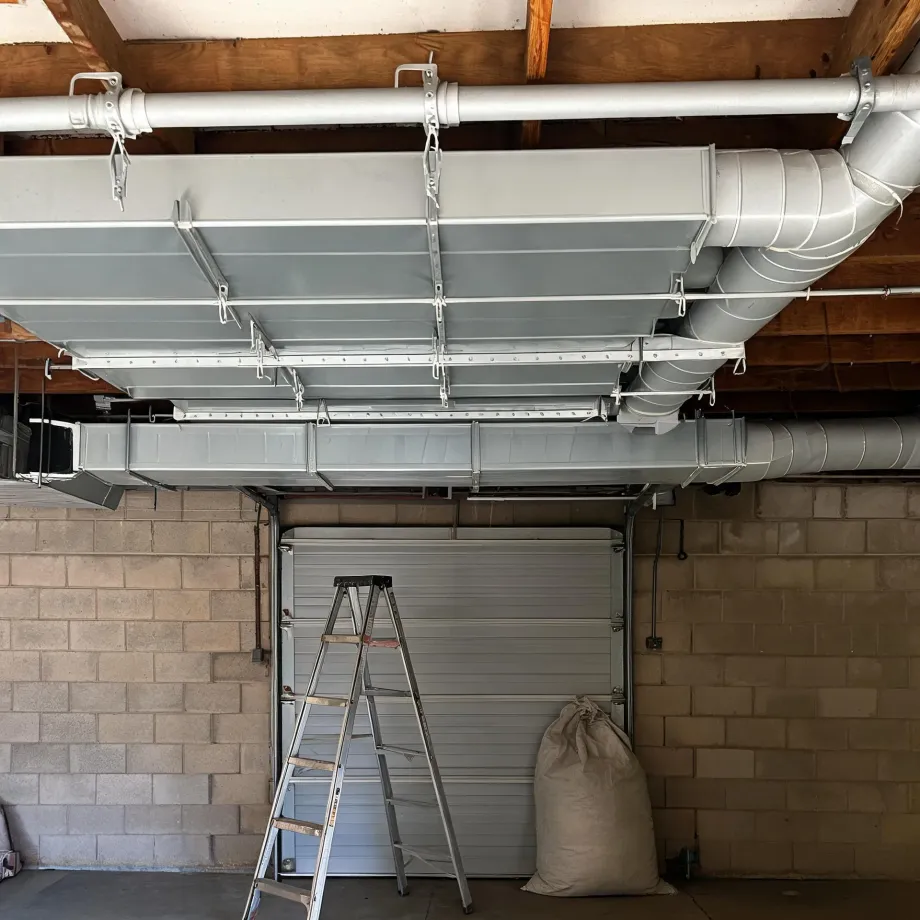
Ductwork is less of a factor with a mini-split than it would be for a ducted system, so what a contractor is really sizing up in Bartow County is the electrical. Half the homes in Bartow County, Georgia were built in 1994 or earlier (2020-2024 ACS 5-year). Panels in homes of that vintage were designed around the appliances and load expectations of their era, and a mini-split's draw may exceed what the existing service can handle without an upgrade. That is the variable a contractor prices before anything else on this job.
What a Mini-split Looks Like Once It's In
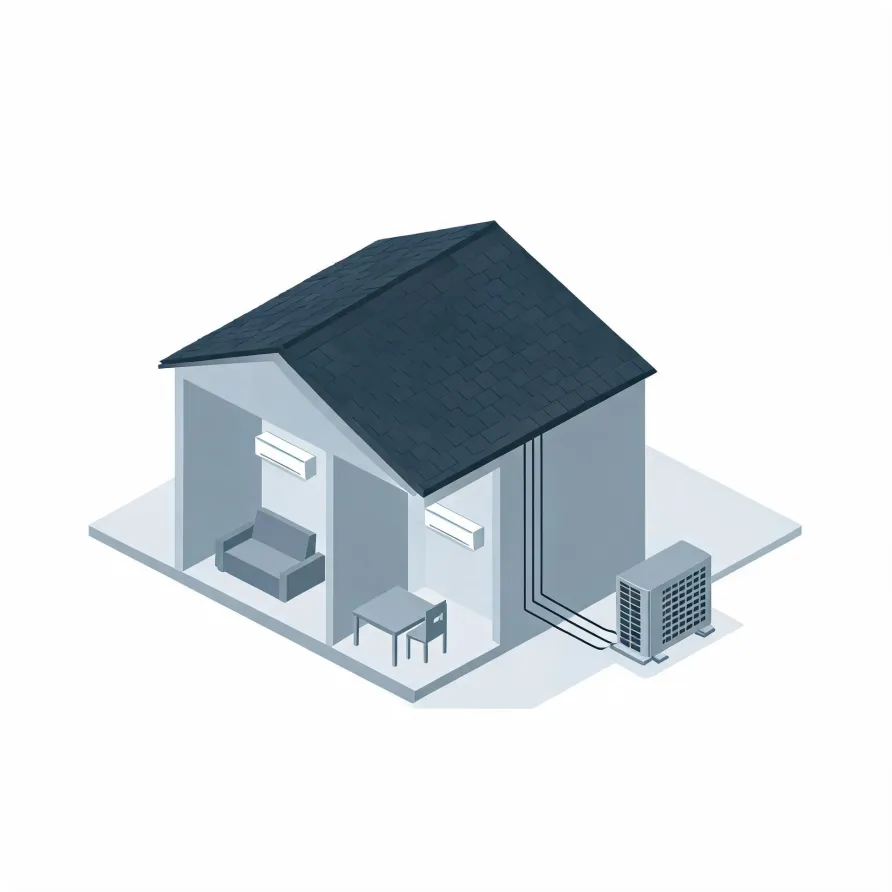
The indoor air handler mounts high on an interior wall, inside the room being conditioned. That is the unit the homeowner sees every day. The outdoor condenser sits on a pad or bracket outside the house and holds the compressor and the fan that moves heat between the two sides.
A conduit bundle runs through a small hole in the wall, connecting the indoor and outdoor units. It carries the refrigerant lines, a condensate drain line, and the power and communication wiring that lets the two units work as one system. A wall-mounted thermostat or remote control handles the settings.
The drawing shows a typical layout, and a licensed contractor determines exactly how the components are positioned and routed for your home.
Get matched in Bartow CountyBartow County, by the numbers
117 severe weather events were recorded in Bartow County, Georgia between 2015 and 2024.
NOAA National Centers for Environmental Information, Storm Events Database, bulk CSV export, events 2015-01-01 through 2024-12-31.Half the homes in Bartow County, Georgia were built in 1994 or earlier (2020-2024 ACS 5-year).
U.S. Census Bureau, 2020-2024 American Community Survey 5-Year EstimatesBartow County, Georgia holds 45,210 housing units (2020-2024 ACS 5-year).
U.S. Census Bureau, 2020-2024 American Community Survey 5-Year EstimatesOwners occupy 72.8% of the occupied homes in Bartow County, Georgia (2020-2024 ACS 5-year).
U.S. Census Bureau, 2020-2024 American Community Survey 5-Year EstimatesSevere Weather Events in Bartow County
Bartow County's climate puts real demands on heating and cooling equipment year after year. A mini-split sized and installed for local conditions handles those demands better than one spec'd for somewhere else.
117 severe weather events, 2015–2024. Source: NOAA National Centers for Environmental Information, Storm Events Database.