Tell us about the job
Takes about a minute. No obligation.
A contractor quoting a mini-split install in Gordon County has to think about what the equipment will run against before they pick a mounting location or pull a line set. 70 severe weather events were recorded in Gordon County, Georgia between 2015 and 2024. At that rate, severe weather is a standing condition here, and it bears directly on how a unit is sited, how the line set is protected, and how the outdoor head is anchored. A system installed without that in mind will be fighting its environment from the first season.
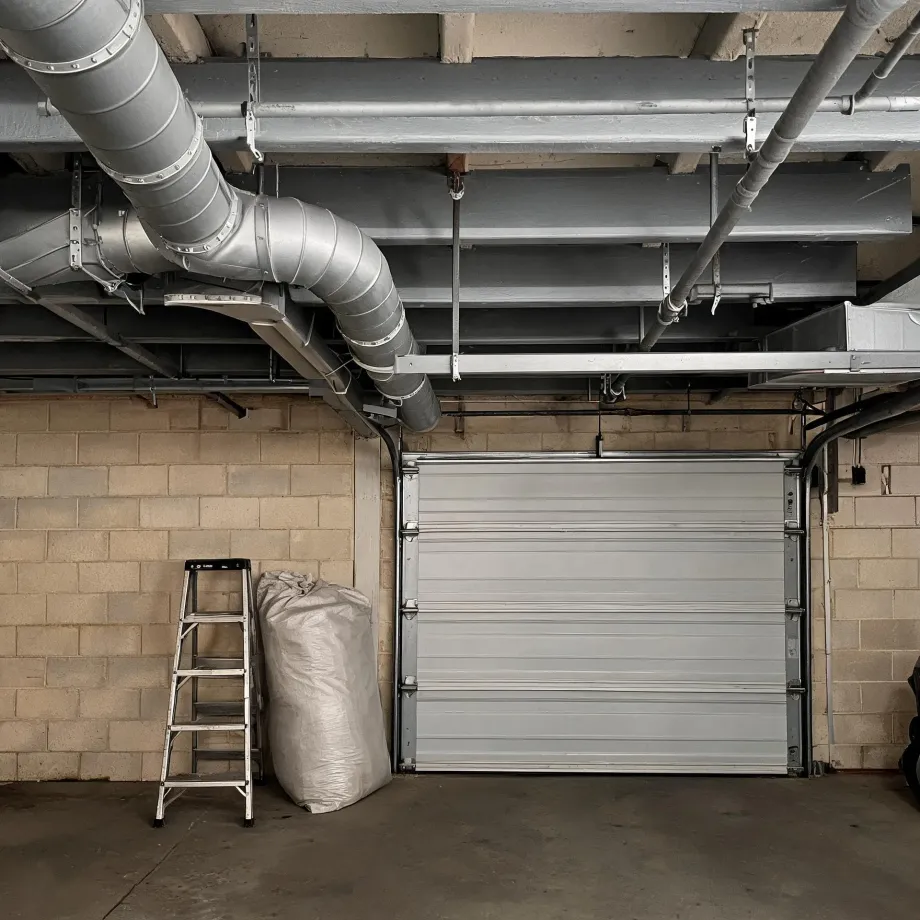
Electrical service in houses built around that median year was sized for appliances and lighting draws that look nothing like what a modern mini-split's inverter compressor pulls at startup and under sustained load. Half the homes in Gordon County, Georgia were built in 1987 or earlier (2020-2024 ACS 5-year). A contractor quoting a mini-split here checks the panel and the branch circuits before pricing anything else, because the ductwork question does not apply and the electrical question very much does. What they find at the panel decides whether the install is straightforward or whether a service upgrade goes on the scope first.
What a Mini-split Installation Puts in Your Home
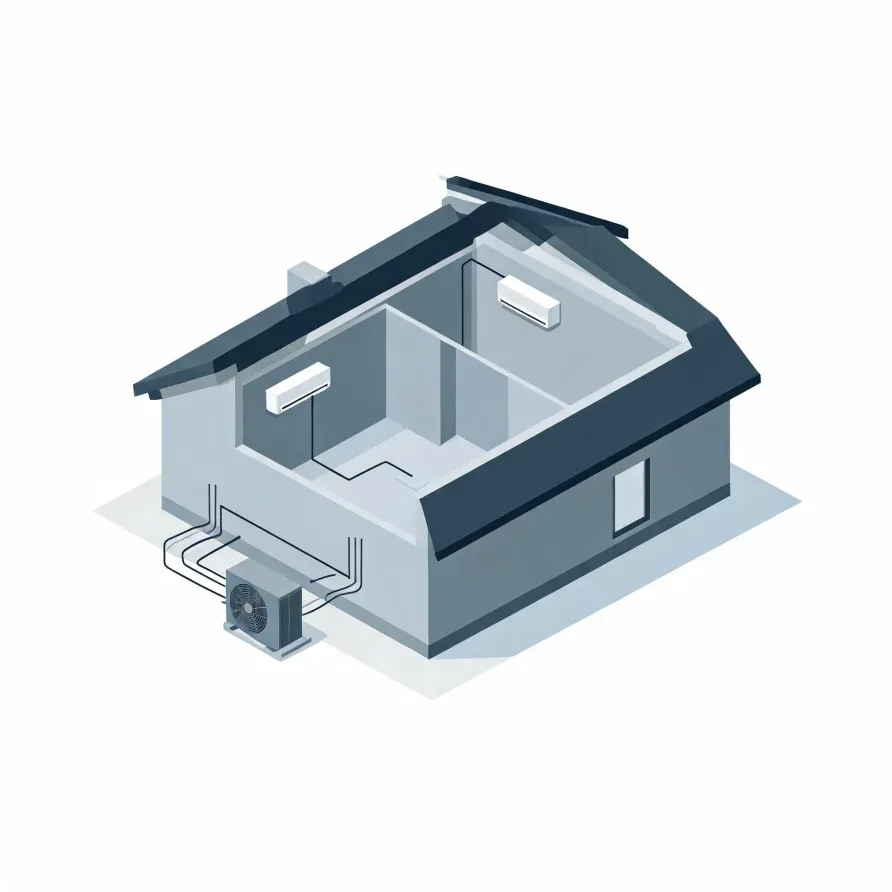
The indoor air handler mounts high on an interior wall in the room being conditioned, and it is the piece a homeowner sees every day. The outdoor condenser unit sits on the ground or a bracket outside the house. Together, these two units carry all the heating and cooling work the system does.
A refrigerant line set runs through a small hole in the wall to connect the indoor and outdoor units, and a condensate drain line carries away moisture the indoor unit pulls from the air. A dedicated disconnect box goes on the exterior wall near the condenser, giving the contractor a safe shutoff point close to the equipment.
The drawing shows a typical layout, and a licensed contractor determines exactly how each piece fits the specifics of your house.
Get matched in Gordon CountyGordon County, Georgia, by the numbers
70 severe weather events were recorded in Gordon County, Georgia between 2015 and 2024.
NOAA National Centers for Environmental Information, Storm Events Database, bulk CSV export, events 2015-01-01 through 2024-12-31.Half the homes in Gordon County, Georgia were built in 1987 or earlier (2020-2024 ACS 5-year).
U.S. Census Bureau, 2020-2024 American Community Survey 5-Year EstimatesGordon County, Georgia holds 23,562 housing units (2020-2024 ACS 5-year).
U.S. Census Bureau, 2020-2024 American Community Survey 5-Year EstimatesOwners occupy 73.9% of the occupied homes in Gordon County, Georgia (2020-2024 ACS 5-year).
U.S. Census Bureau, 2020-2024 American Community Survey 5-Year EstimatesSevere Weather History in Gordon County
Weather here puts real demands on heating and cooling equipment, and those demands shape what a system needs to handle over its life. A mini-split sized and installed for local conditions holds up differently than one built to a national average.
70 severe weather events, 2015–2024. Source: NOAA National Centers for Environmental Information, Storm Events Database.