Tell us about the job
Takes about a minute. No obligation.
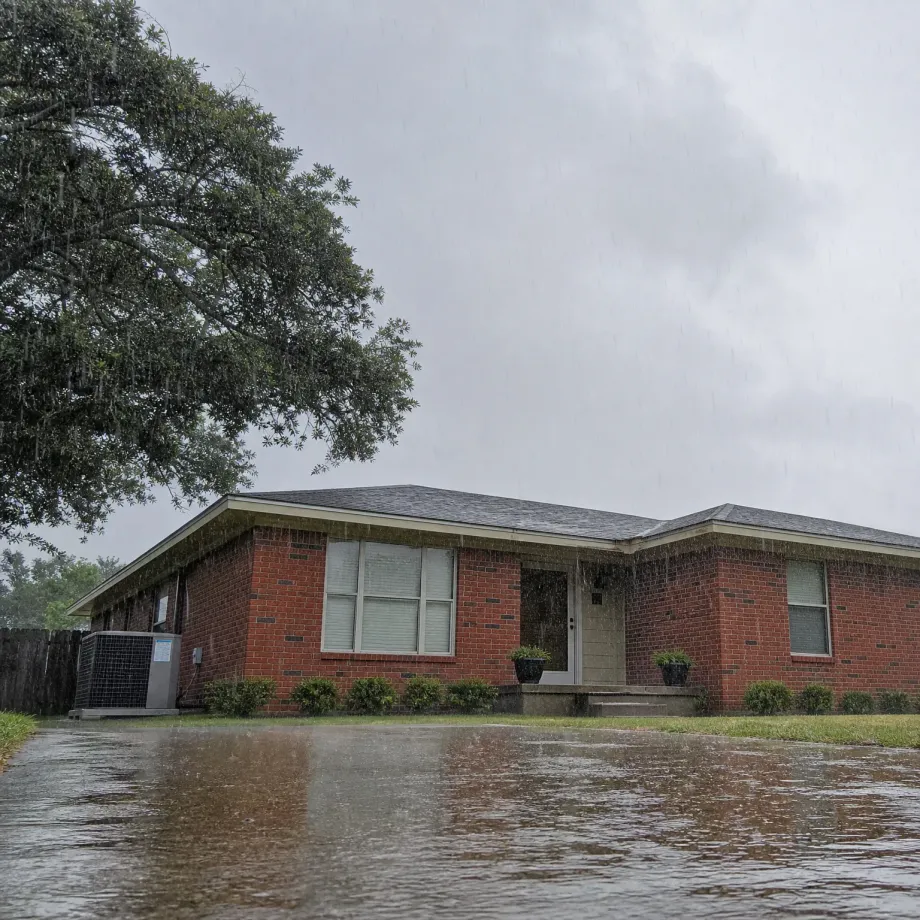
A contractor quoting a mini-split install in Turner County has to account for a local weather record that makes steady mechanical demand the baseline, not an edge case. 78 severe weather events were recorded in Turner County, Georgia between 2015 and 2024. At that rate, a system that is undersized or improperly sealed at install will show the strain sooner than one built to handle what this climate actually delivers. Refrigerant line connections, drain routing, and outdoor unit placement all get chosen with that load in mind.
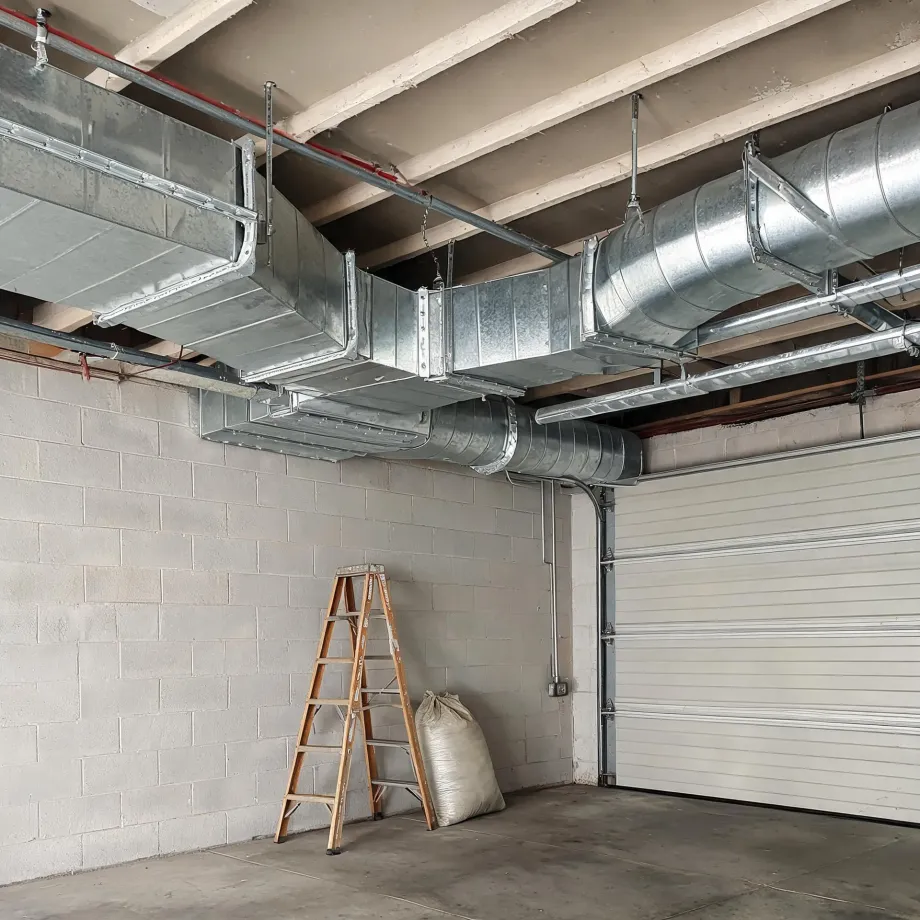
Electrical service in houses built around the median year in this county was sized for the appliances and heating equipment of that era, and a mini-split draw does not always fit what those panels were designed to handle. Half the homes in Turner County, Georgia were built in 1977 or earlier (2020-2024 ACS 5-year). A contractor quoting a mini-split here checks the panel and the branch circuits before the equipment selection means much, because an undersized service pushes the real cost of the job away from the unit and toward the electrical work.
What a Mini-split Installation Puts in Your Home
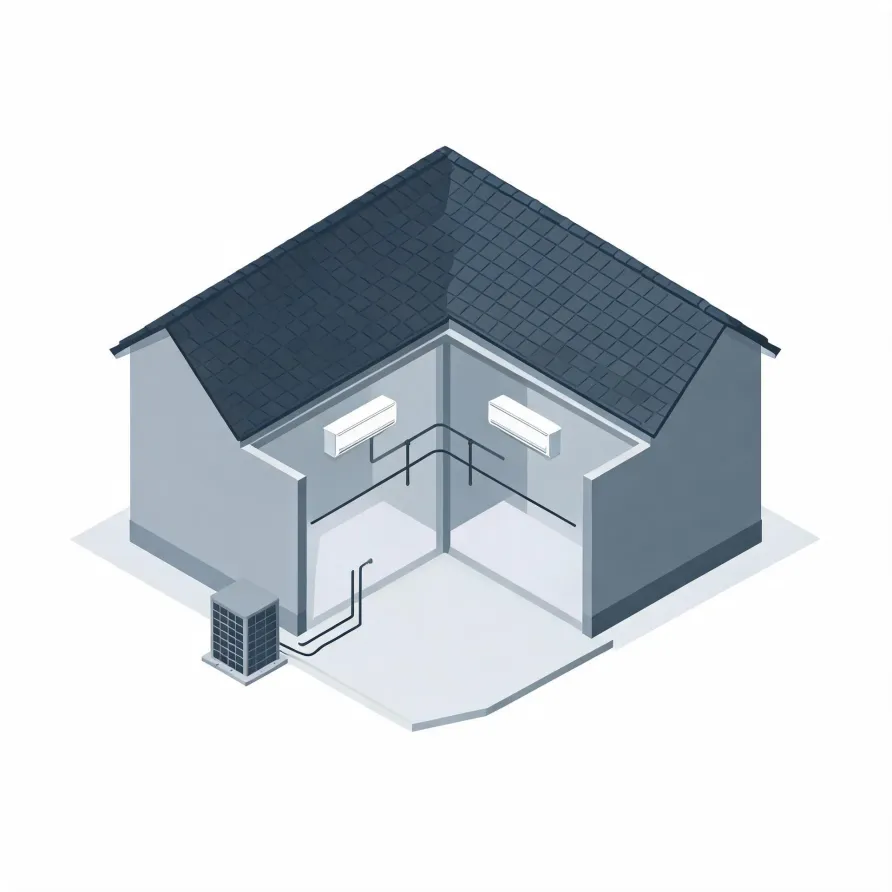
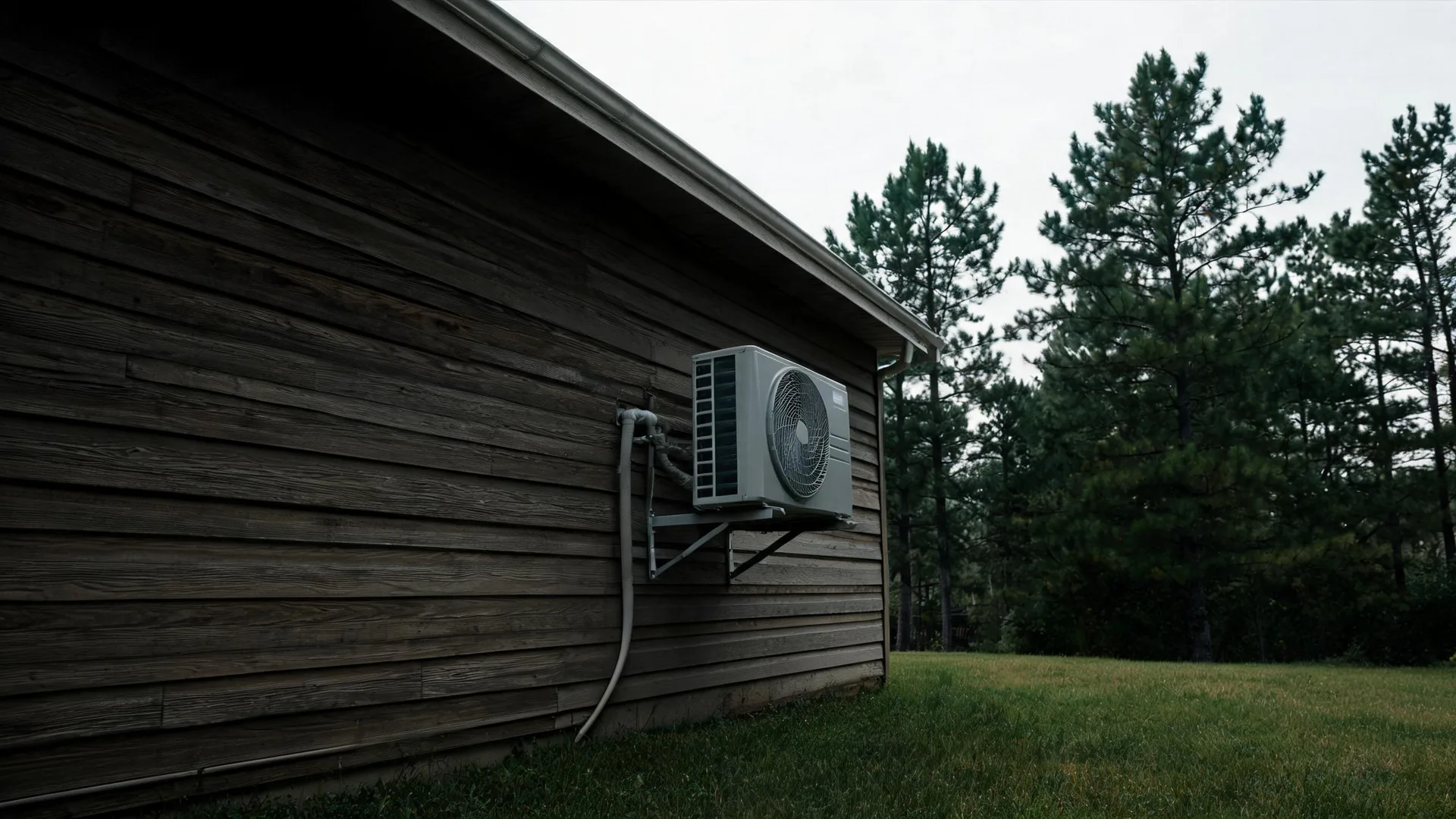
The indoor air handler mounts high on a wall inside the room you want conditioned, and it is the piece you will see every day. The outdoor unit sits on the ground or a bracket outside the house and holds the compressor and condenser coil. Together they are the two main bodies of the system.
A refrigerant line set runs through a small hole in the wall to connect the two units, carrying the working fluid between them. A condensate drain line runs from the indoor unit to carry away moisture, and a dedicated electrical circuit feeds the outdoor unit from your panel.
The drawing shows a typical layout, and a licensed contractor determines exactly how each piece is positioned and routed for your specific home.
Get matched in Turner CountyTurner County, Georgia, by the numbers
78 severe weather events were recorded in Turner County, Georgia between 2015 and 2024.
NOAA National Centers for Environmental Information, Storm Events Database, bulk CSV export, events 2015-01-01 through 2024-12-31.Half the homes in Turner County, Georgia were built in 1977 or earlier (2020-2024 ACS 5-year).
U.S. Census Bureau, 2020-2024 American Community Survey 5-Year EstimatesTurner County, Georgia holds 3,927 housing units (2020-2024 ACS 5-year).
U.S. Census Bureau, 2020-2024 American Community Survey 5-Year EstimatesOwners occupy 63.8% of the occupied homes in Turner County, Georgia (2020-2024 ACS 5-year).
U.S. Census Bureau, 2020-2024 American Community Survey 5-Year EstimatesSevere Weather Events in Turner County
Weather patterns in this part of Georgia put real demand on heating and cooling equipment over time. How hard a system has to work, and how long it lasts, is shaped by local conditions, which is why the record below is relevant to any mini-split installation here.
78 severe weather events, 2015–2024. Source: NOAA National Centers for Environmental Information, Storm Events Database.