Tell us about the job
Takes about a minute. No obligation.
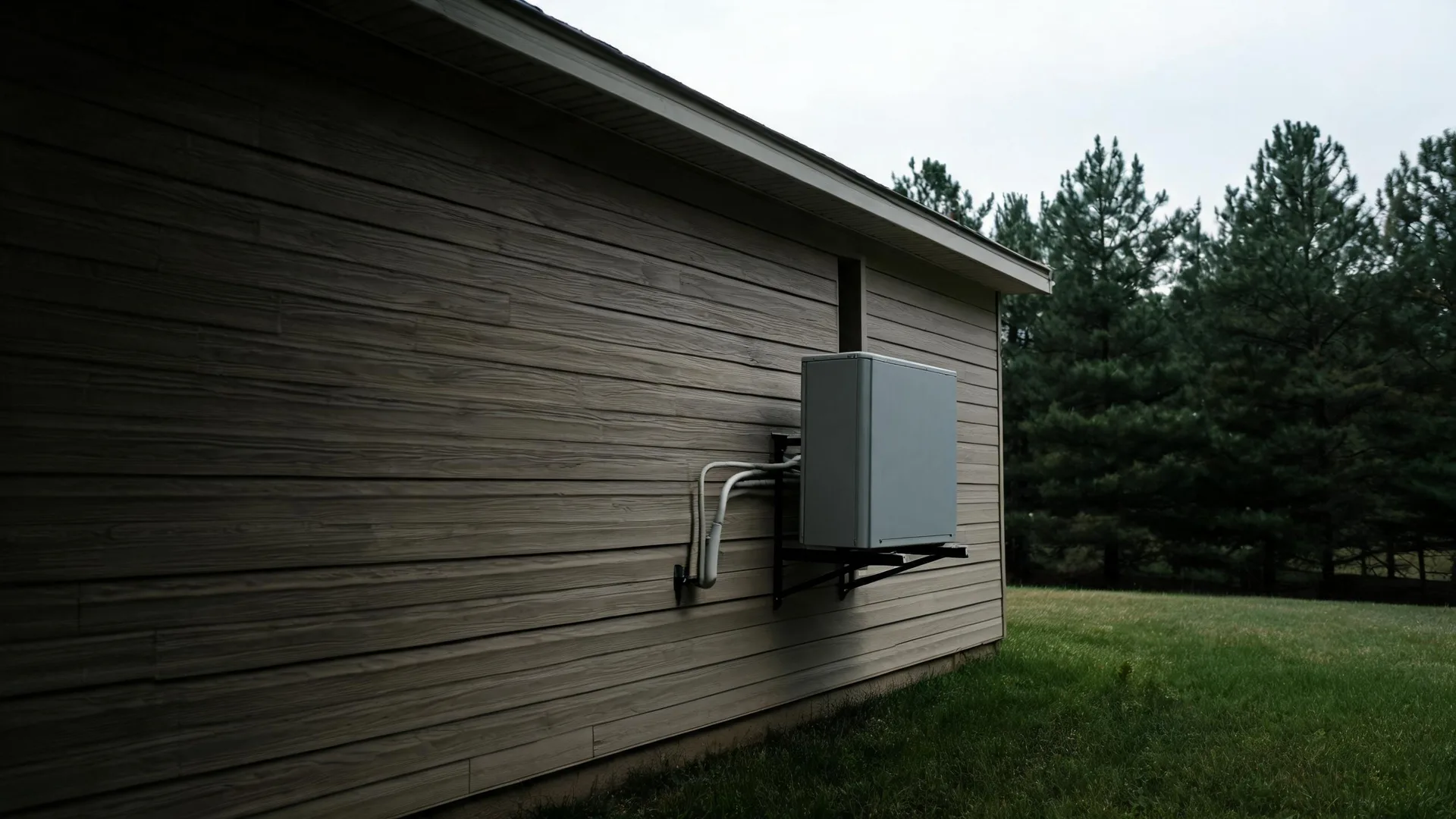
A contractor diagnosing a mini-split repair in Dougherty County starts at the outdoor unit, where condenser coils and refrigerant lines take the direct force of whatever the sky delivers. 125 severe weather events were recorded in Dougherty County, Georgia between 2015 and 2024. At that rate, severe weather is not an occasional variable here but a standing condition, and the wear pattern on components reflects it. Coils get bent and clogged, line sets develop micro-stress points, and a system that looks intact from the outside can be running compromised. The repair quote follows what that inspection turns up.
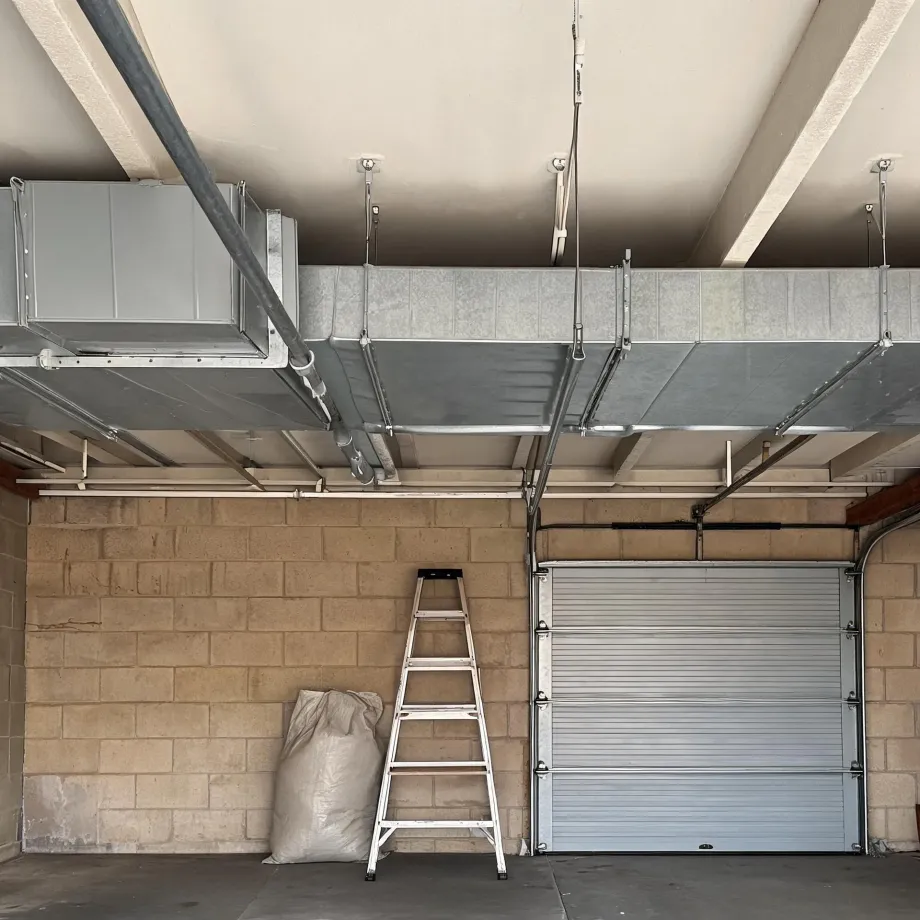
Half the homes in Dougherty County, Georgia were built in 1975 or earlier (2020-2024 ACS 5-year). A house that old has almost certainly cycled through more than one generation of HVAC equipment, which means the mini-split running in it now was retrofitted into a building that was never designed around it. When a unit comes apart for repair, what a contractor finds inside reflects years of that adaptation: refrigerant lines routed around original framing, connections that have been remade, wear patterns specific to how this particular installation has run. The harder question is often whether the parts the system takes are still manufactured at all.
The Parts of a Mini-split a Contractor Checks First
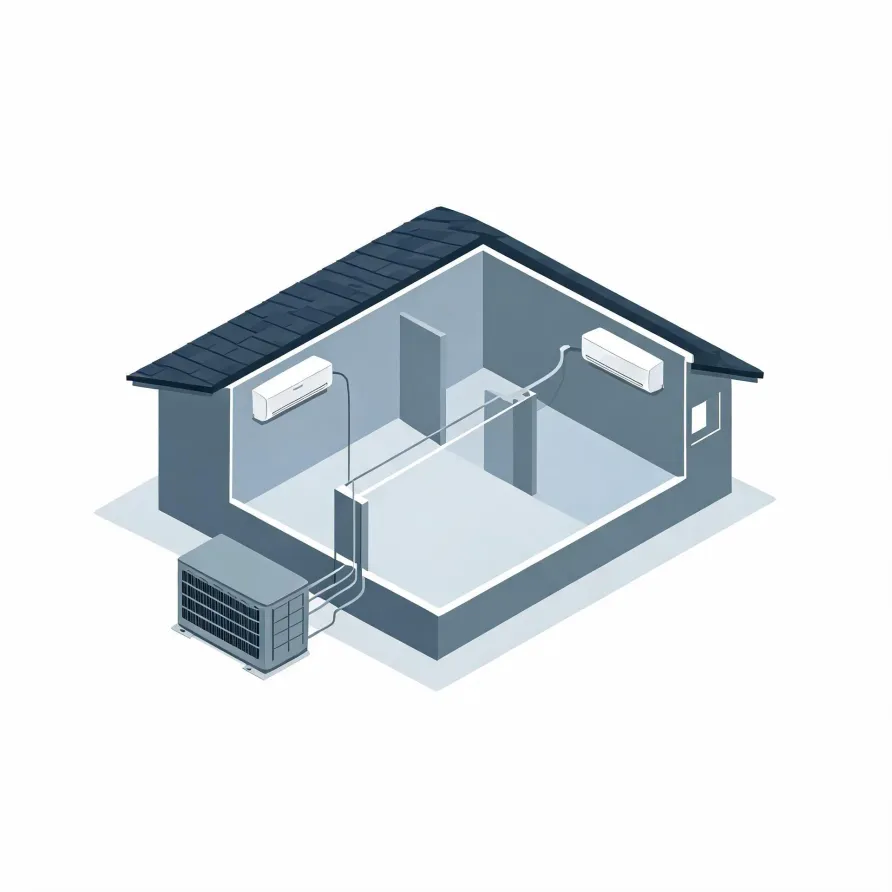
The indoor air handler mounts on an interior wall and is the piece a homeowner sees every day. It pulls room air across the evaporator coil and the expansion valve inside it, and either of those components can be the source of a cooling or heating failure. The outdoor condenser unit houses the compressor and the condenser coil, and the compressor in particular is what a contractor reaches for when the system runs but produces no useful output.
The refrigerant line set runs between the two units through a small penetration in the wall, carrying the refrigerant that makes the whole cycle work. A leak anywhere along that line, or at the fittings where it connects to either unit, will show up as lost capacity before anything else fails. The condensate drain line exits the indoor unit and routes moisture out of the house, and a blocked drain is one of the first things a contractor checks when water appears near the air handler.
The drawing shows a typical mini-split layout, and a licensed contractor determines which components are relevant to your specific installation.
Get matched in Dougherty CountyDougherty County, by the numbers
125 severe weather events were recorded in Dougherty County, Georgia between 2015 and 2024.
NOAA National Centers for Environmental Information, Storm Events Database, bulk CSV export, events 2015-01-01 through 2024-12-31.Half the homes in Dougherty County, Georgia were built in 1975 or earlier (2020-2024 ACS 5-year).
U.S. Census Bureau, 2020-2024 American Community Survey 5-Year EstimatesDougherty County, Georgia holds 40,653 housing units (2020-2024 ACS 5-year).
U.S. Census Bureau, 2020-2024 American Community Survey 5-Year EstimatesOwners occupy 45.3% of the occupied homes in Dougherty County, Georgia (2020-2024 ACS 5-year).
U.S. Census Bureau, 2020-2024 American Community Survey 5-Year EstimatesSevere Weather Events in Dougherty County by Year
Local weather conditions put direct stress on heating and cooling equipment, and that stress shows up as repair work. Knowing the weather load in Dougherty County helps a contractor size the job and spot failure patterns that follow it.
125 severe weather events, 2015–2024. Source: NOAA National Centers for Environmental Information, Storm Events Database.