Tell us about the job
Takes about a minute. No obligation.
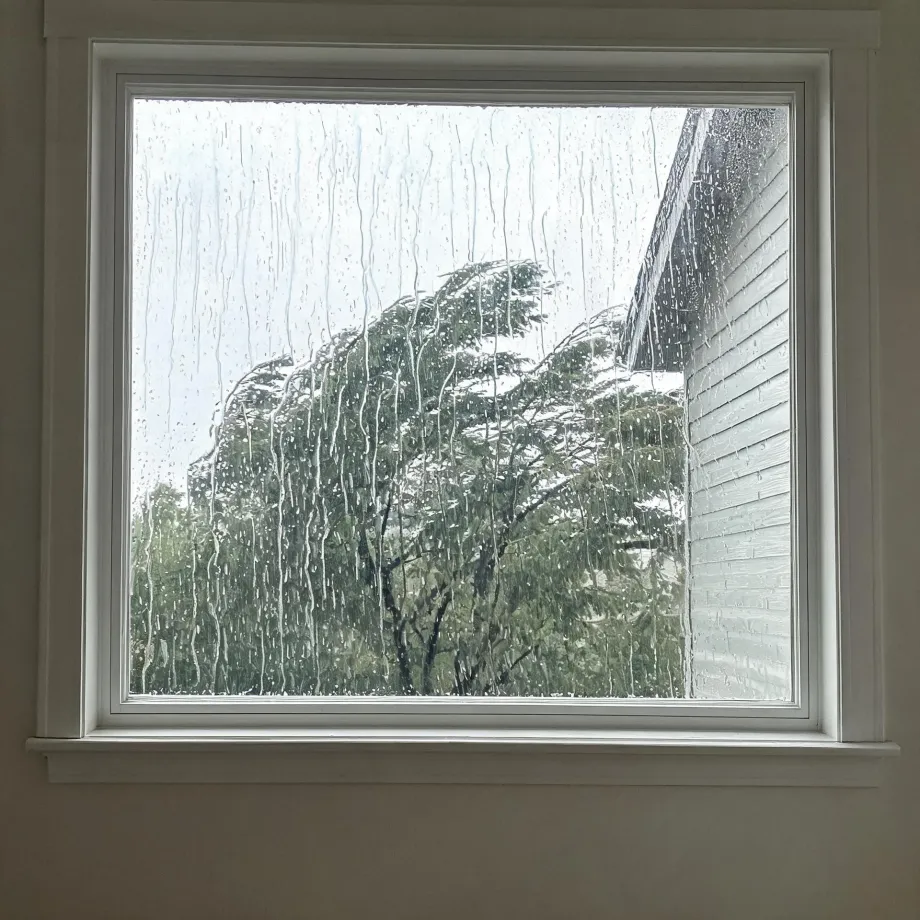
A contractor quoting a mini-split repair in Cook County starts with the unit's service history and how it was originally installed, because those two things explain most of what goes wrong here. 70 severe weather events were recorded in Cook County, Georgia between 2015 and 2024. At that rate, severe weather is an event rather than a constant, and the compressor or board that gave out has probably been failing quietly for other reasons. Wiring that was undersized from day one, a refrigerant charge that was never right, a drain line that was never cleaned: these are what a contractor finds when they open a system that has been running in this county.
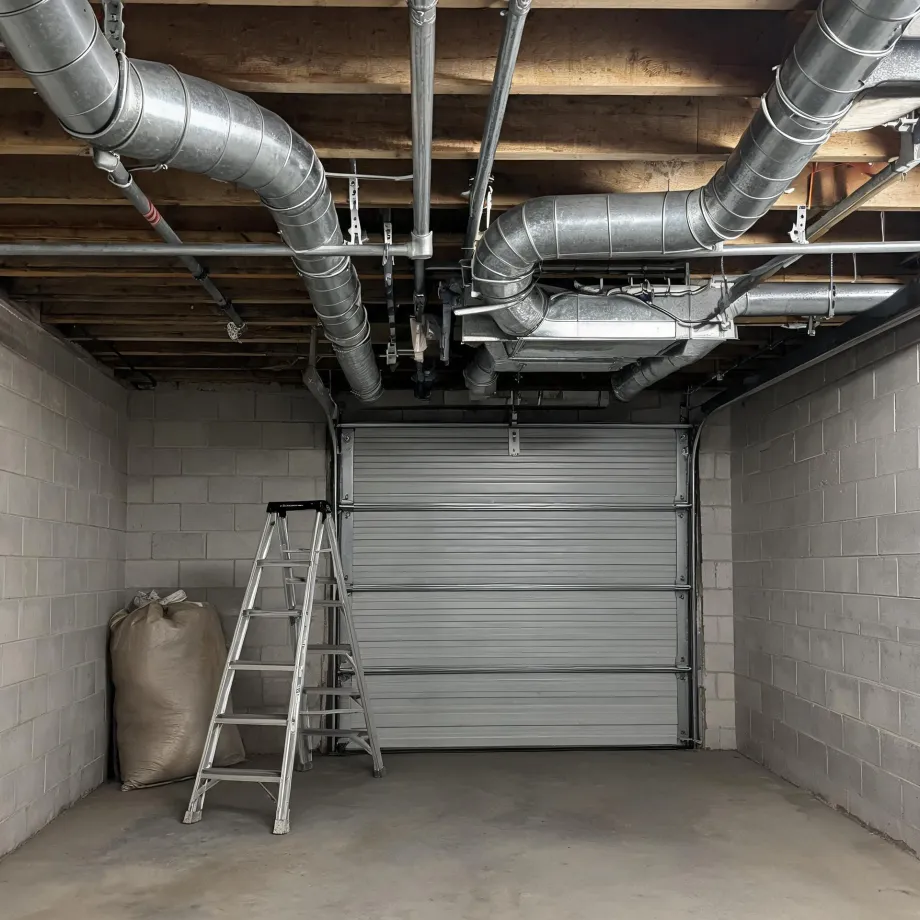
Half the homes in Cook County, Georgia were built in 1985 or earlier (2020-2024 ACS 5-year). A mini-split opened for repair in housing like this may carry components from a generation of systems whose replacement parts have grown scarce or been superseded entirely. That scarcity is what a contractor is solving when the unit comes apart, not the refrigerant cycle or the circuit board in the abstract. If the parts are still made and in supply, the repair moves quickly. If they are not, the contractor is pricing alternatives or a swap, and the age of the house is beside the point.
The Parts of a Mini-split a Contractor Checks First
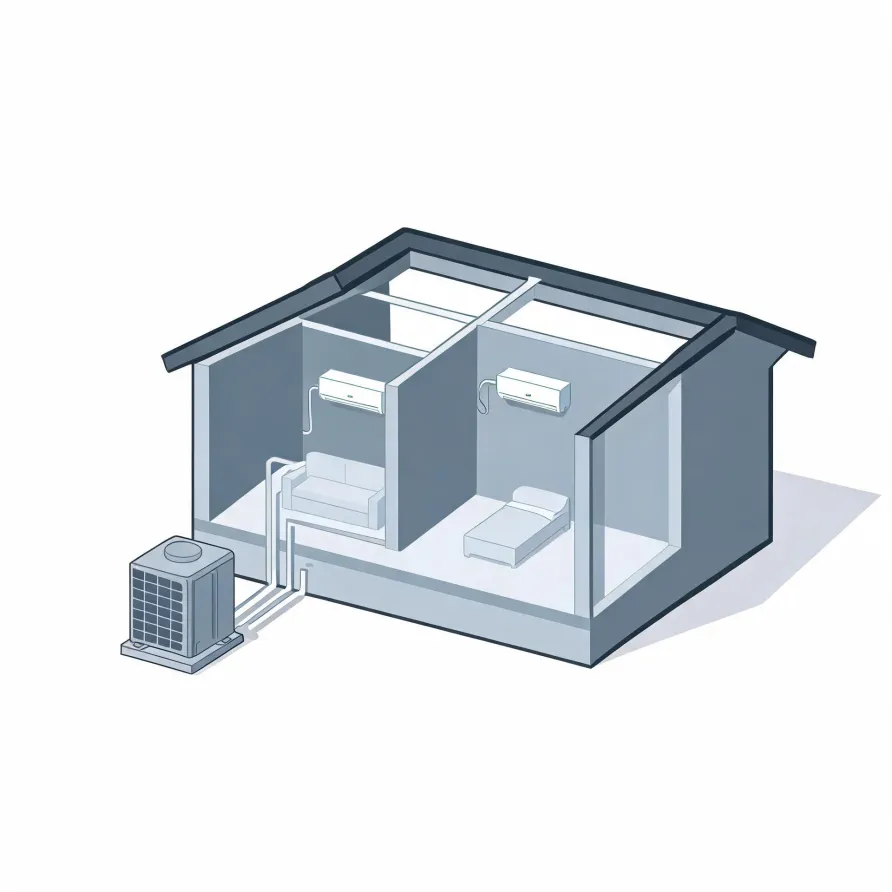
The indoor air handler mounts high on a wall inside the room and is where most visible problems show up first: a frozen coil, a clogged drain line, or a fan that has stopped moving air. The outdoor condenser unit sits outside the house and takes the harder mechanical load, so compressor and refrigerant issues trace back there.
A refrigerant line set runs between the two units through a small penetration in the wall, carrying the refrigerant that makes the system work. Each unit also has a control board that a contractor reads for fault codes when the cause of a problem is not immediately obvious.
The drawing shows a typical mini-split layout, and a licensed contractor determines which components and access points apply to your specific installation.
Get matched in Cook CountyCook County, Georgia, by the numbers
70 severe weather events were recorded in Cook County, Georgia between 2015 and 2024.
NOAA National Centers for Environmental Information, Storm Events Database, bulk CSV export, events 2015-01-01 through 2024-12-31.Half the homes in Cook County, Georgia were built in 1985 or earlier (2020-2024 ACS 5-year).
U.S. Census Bureau, 2020-2024 American Community Survey 5-Year EstimatesCook County, Georgia holds 7,486 housing units (2020-2024 ACS 5-year).
U.S. Census Bureau, 2020-2024 American Community Survey 5-Year EstimatesOwners occupy 66.0% of the occupied homes in Cook County, Georgia (2020-2024 ACS 5-year).
U.S. Census Bureau, 2020-2024 American Community Survey 5-Year EstimatesSevere Weather Events in Cook County
Weather puts a cumulative load on heating and cooling equipment that indoor conditions alone do not capture. How hard a mini-split works, and how often it needs attention, is tied to what the climate outside actually does.
70 severe weather events, 2015–2024. Source: NOAA National Centers for Environmental Information, Storm Events Database.