Tell us about the job
Takes about a minute. No obligation.
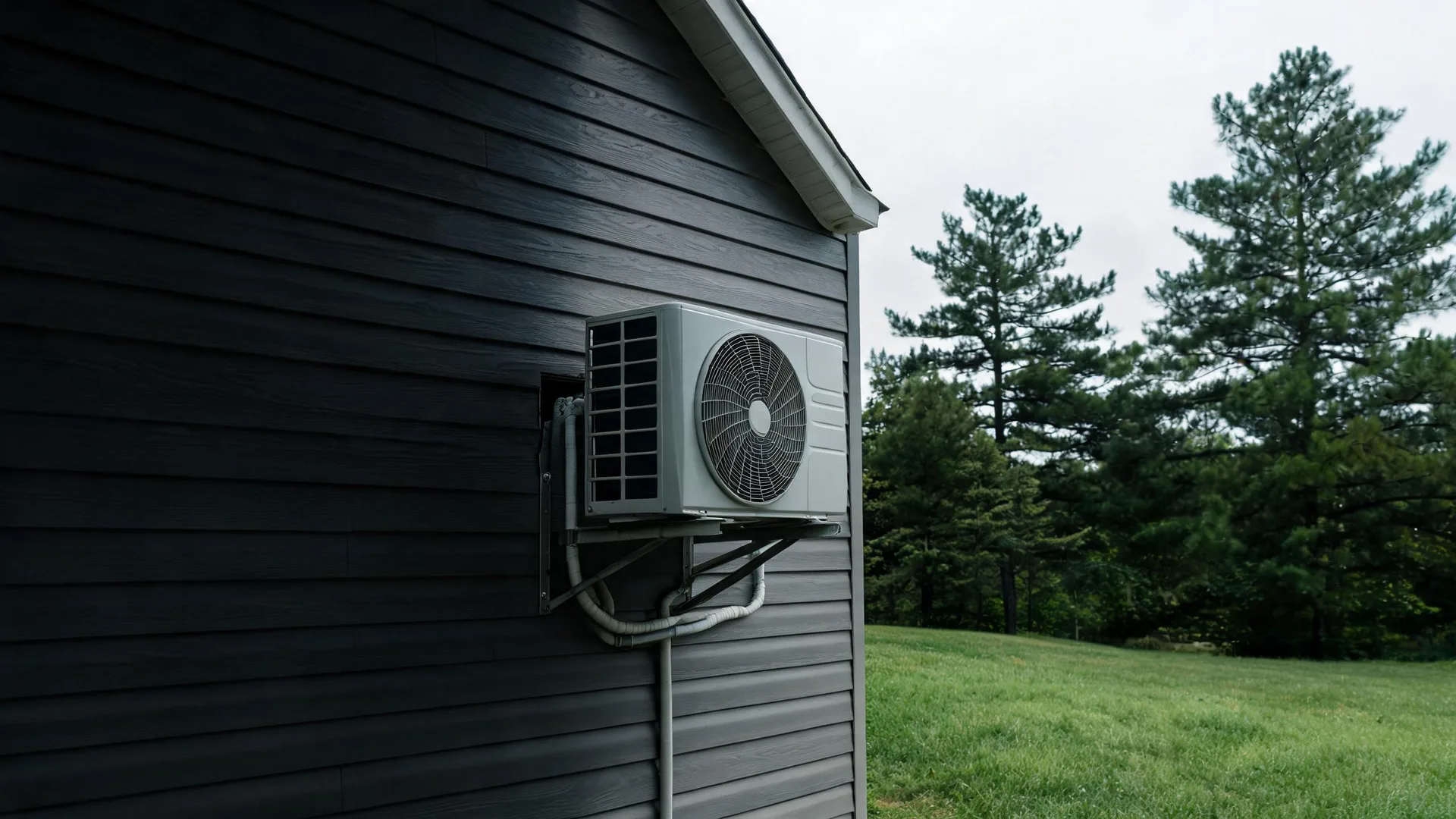
A mini-split going into DeKalb County is going into a place where severe weather is a standing condition of operating, not an occasional interruption. 165 severe weather events were recorded in DeKalb County, Georgia between 2015 and 2024. At that rate, a contractor sizing a system has to account for what the equipment will carry across a full year of operation, not just the mild weeks. A unit that fits the square footage on paper can still be undersized for the sustained load this area puts on a compressor, and a contractor who sizes from a catalog without weighing the local record will leave the system working harder than it was built to.
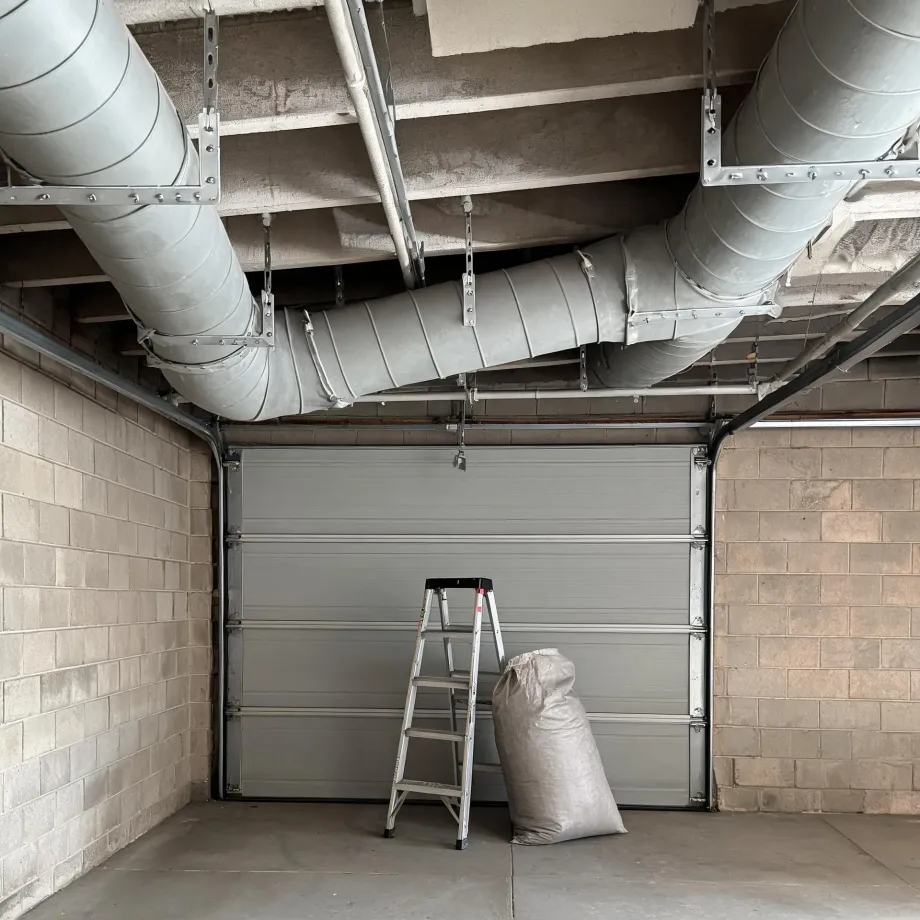
Ductwork laid out for one type of system does not automatically carry another. Half the homes in DeKalb County, Georgia were built in 1984 or earlier (2020-2024 ACS 5-year). That gap between when these houses were built and what contractors are now asked to install in them is where a mini-split job gets defined. A contractor sizing a new unit works out early whether the existing duct runs match the zones a split system needs, or whether sections have to be rerouted. Electrical service gets the same look, since the load a modern mini-split draws has to be confirmed against what the panel actually delivers.
What a Mini-split Installation Puts in Your Home
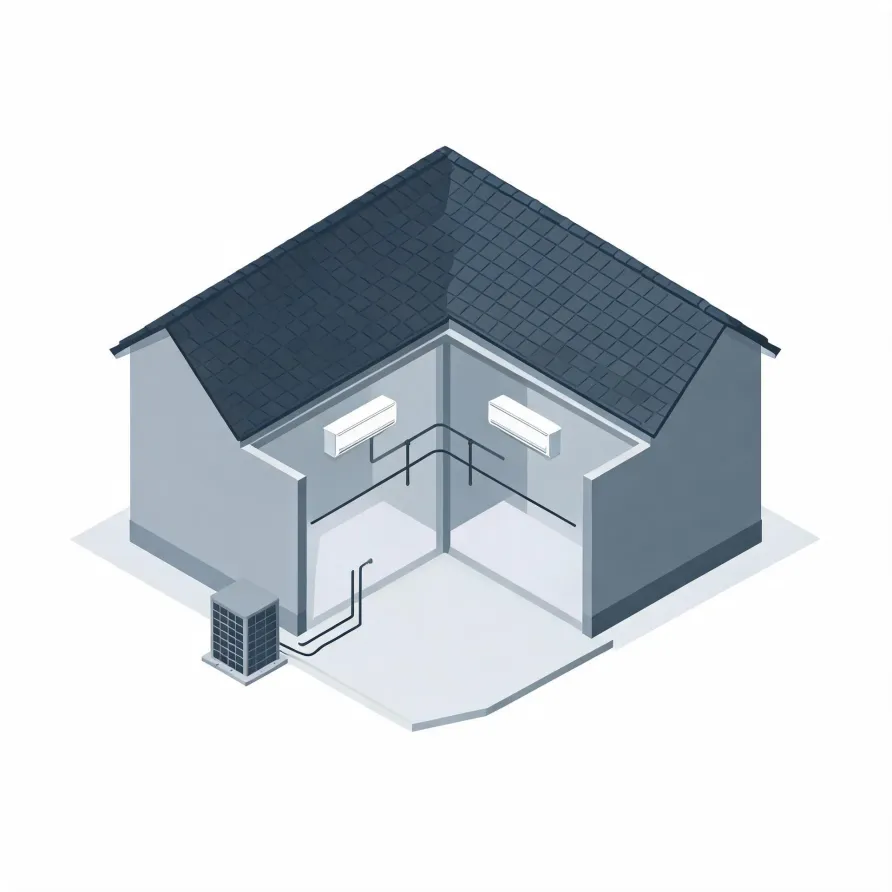
The indoor unit mounts high on an interior wall in the room being conditioned and is the piece a homeowner sees every day. It draws room air across its coil and moves treated air back into the space. The outdoor unit sits on a pad or bracket outside the house and holds the compressor and the condenser coil.
A refrigerant line set runs through a small penetration in the wall to connect the two units, carrying refrigerant between them. A condensate drain line runs from the indoor unit to carry away moisture, and a dedicated electrical circuit feeds the outdoor unit from the panel.
The drawing shows a typical layout, and a licensed contractor determines exactly how each piece fits your house.
Get matched in DeKalb CountyDeKalb County, by the numbers
165 severe weather events were recorded in DeKalb County, Georgia between 2015 and 2024.
NOAA National Centers for Environmental Information, Storm Events Database, bulk CSV export, events 2015-01-01 through 2024-12-31.Half the homes in DeKalb County, Georgia were built in 1984 or earlier (2020-2024 ACS 5-year).
U.S. Census Bureau, 2020-2024 American Community Survey 5-Year EstimatesDeKalb County, Georgia holds 330,830 housing units (2020-2024 ACS 5-year).
U.S. Census Bureau, 2020-2024 American Community Survey 5-Year EstimatesOwners occupy 58.8% of the occupied homes in DeKalb County, Georgia (2020-2024 ACS 5-year).
U.S. Census Bureau, 2020-2024 American Community Survey 5-Year EstimatesSevere Weather Events in DeKalb County
Local weather puts real demands on heating and cooling equipment, and those demands vary by where you live. A mini-split sized and installed for DeKalb County's conditions handles the actual workload, not an average one.
165 severe weather events, 2015–2024. Source: NOAA National Centers for Environmental Information, Storm Events Database.