Tell us about the job
Takes about a minute. No obligation.
A contractor quoting a mini-split installation in Clay County is working out what the building actually needs, not compensating for a punishing weather history. 44 severe weather events were recorded in Clay County, Georgia between 2015 and 2024. At that rate, severe weather here is an occasional event rather than a standing condition, which means a system that fails early failed for a different reason. Poor line-set work, undersized capacity for the space, or a refrigerant charge that was never dialed in are the explanations a contractor looks for first. The weather record gives them little to work around, so the install itself has nowhere to hide.
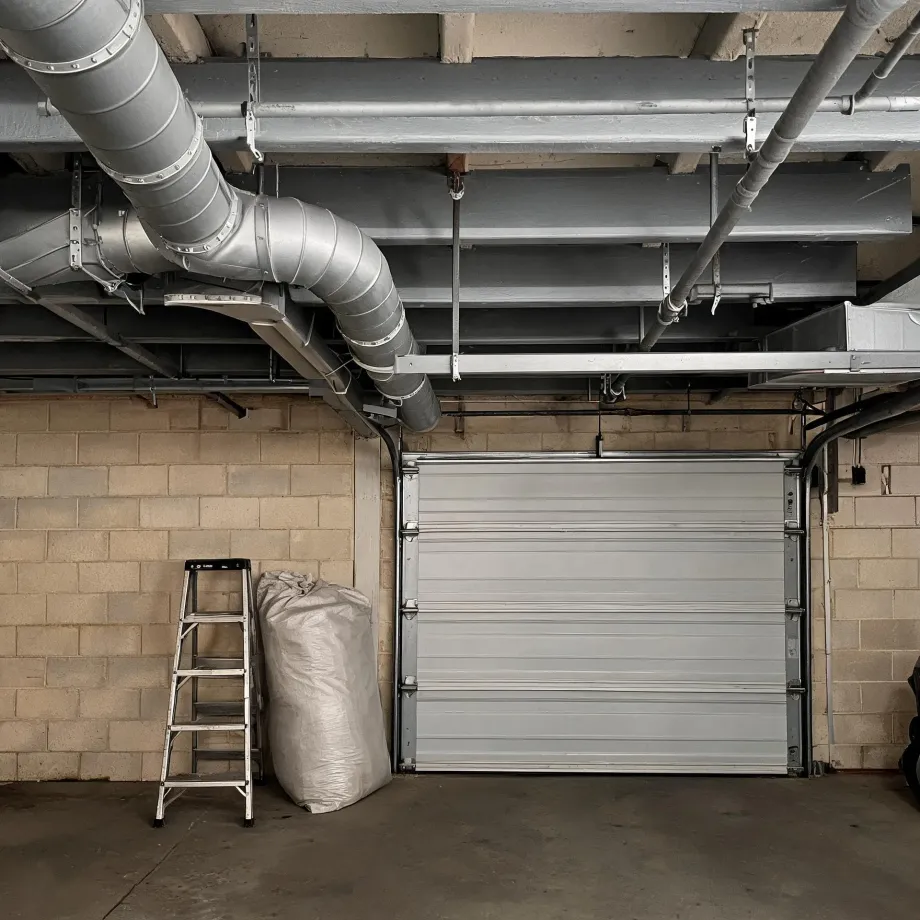
The electrical panel in a house this old was sized for what builders expected at the time. Half the homes in Clay County, Georgia were built in 1988 or earlier (2020-2024 ACS 5-year). A contractor installing a mini-split here will open that panel early in the process, because the circuit capacity determines what the new unit can draw and whether anything has to change before the work proceeds. Ductwork is not a variable with a mini-split, but the electrical is, and in stock of this vintage the service has often been left as-built.
What a Mini-split Installation Puts in Your Home
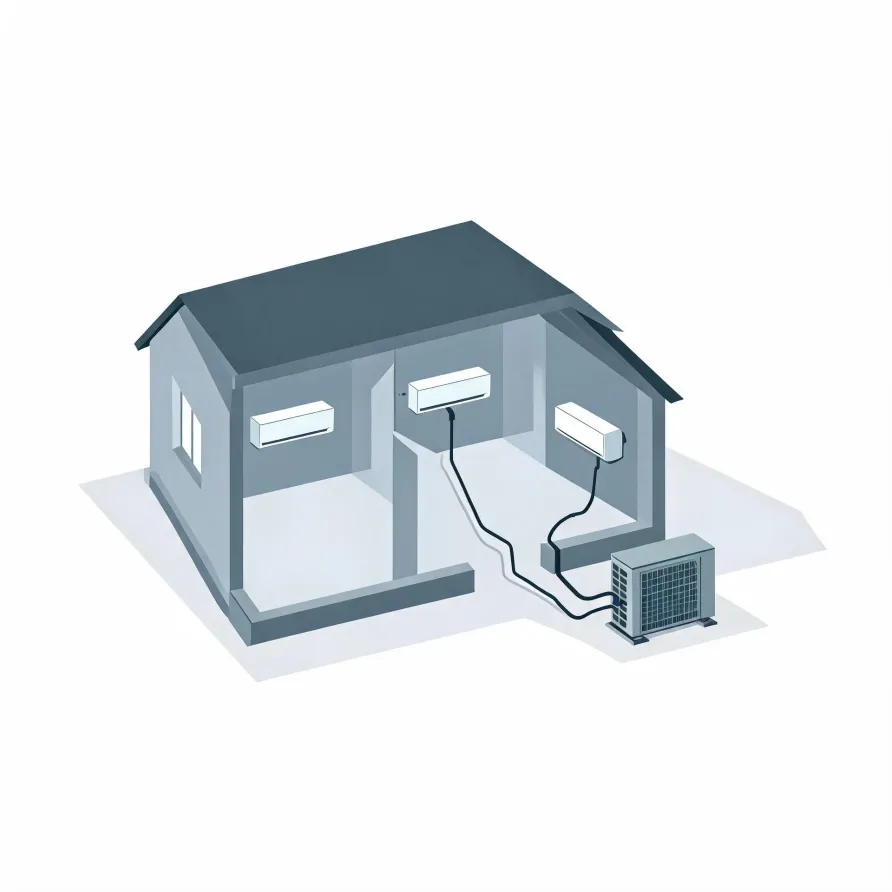
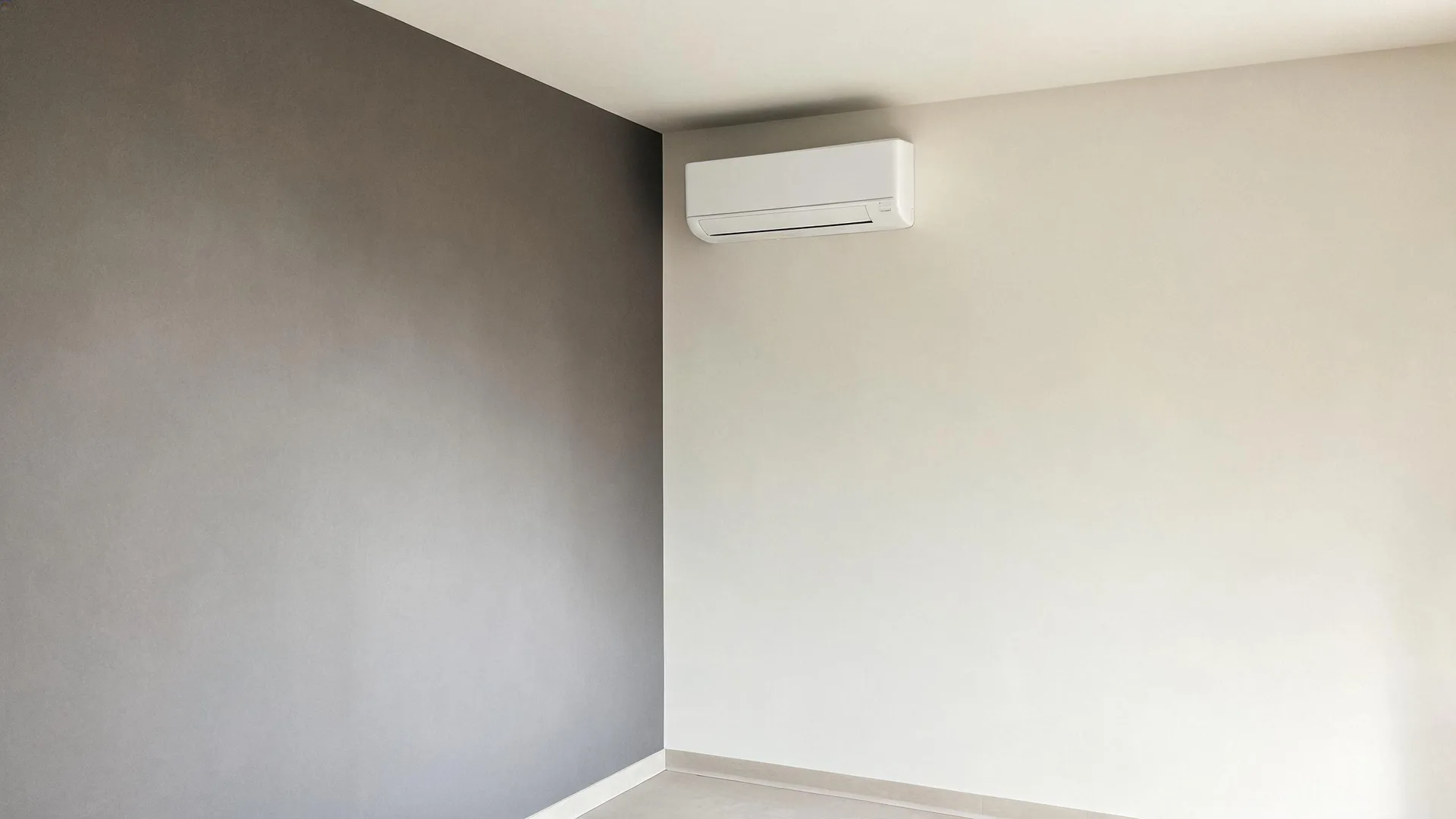
The indoor unit mounts high on an interior wall in the room being conditioned, where it delivers air directly into the space. The outdoor unit sits on a pad or bracket outside the house and holds the compressor and the condenser coil. Together, these two units are what a contractor is placing and connecting during the job.
A refrigerant line set runs through a small penetration in the wall to link the indoor and outdoor units, and a condensate drain line carries moisture out of the indoor unit to an appropriate discharge point. A dedicated electrical circuit ties into the outdoor unit to power the whole system.
The drawing beside this text shows how a typical mini-split lays out, and a licensed contractor determines exactly how that layout applies to your home.
Get matched in Clay CountyClay County, Georgia, by the numbers
44 severe weather events were recorded in Clay County, Georgia between 2015 and 2024.
NOAA National Centers for Environmental Information, Storm Events Database, bulk CSV export, events 2015-01-01 through 2024-12-31.Half the homes in Clay County, Georgia were built in 1988 or earlier (2020-2024 ACS 5-year).
U.S. Census Bureau, 2020-2024 American Community Survey 5-Year EstimatesClay County, Georgia holds 1,981 housing units (2020-2024 ACS 5-year).
U.S. Census Bureau, 2020-2024 American Community Survey 5-Year EstimatesOwners occupy 78.3% of the occupied homes in Clay County, Georgia (2020-2024 ACS 5-year).
U.S. Census Bureau, 2020-2024 American Community Survey 5-Year EstimatesSevere Weather Events in Clay County
Weather puts a direct load on heating and cooling equipment, and that load varies by where you are. A mini-split sized and installed for Clay County's actual conditions holds up differently than one spec'd for somewhere else.
44 severe weather events, 2015–2024. Source: NOAA National Centers for Environmental Information, Storm Events Database.