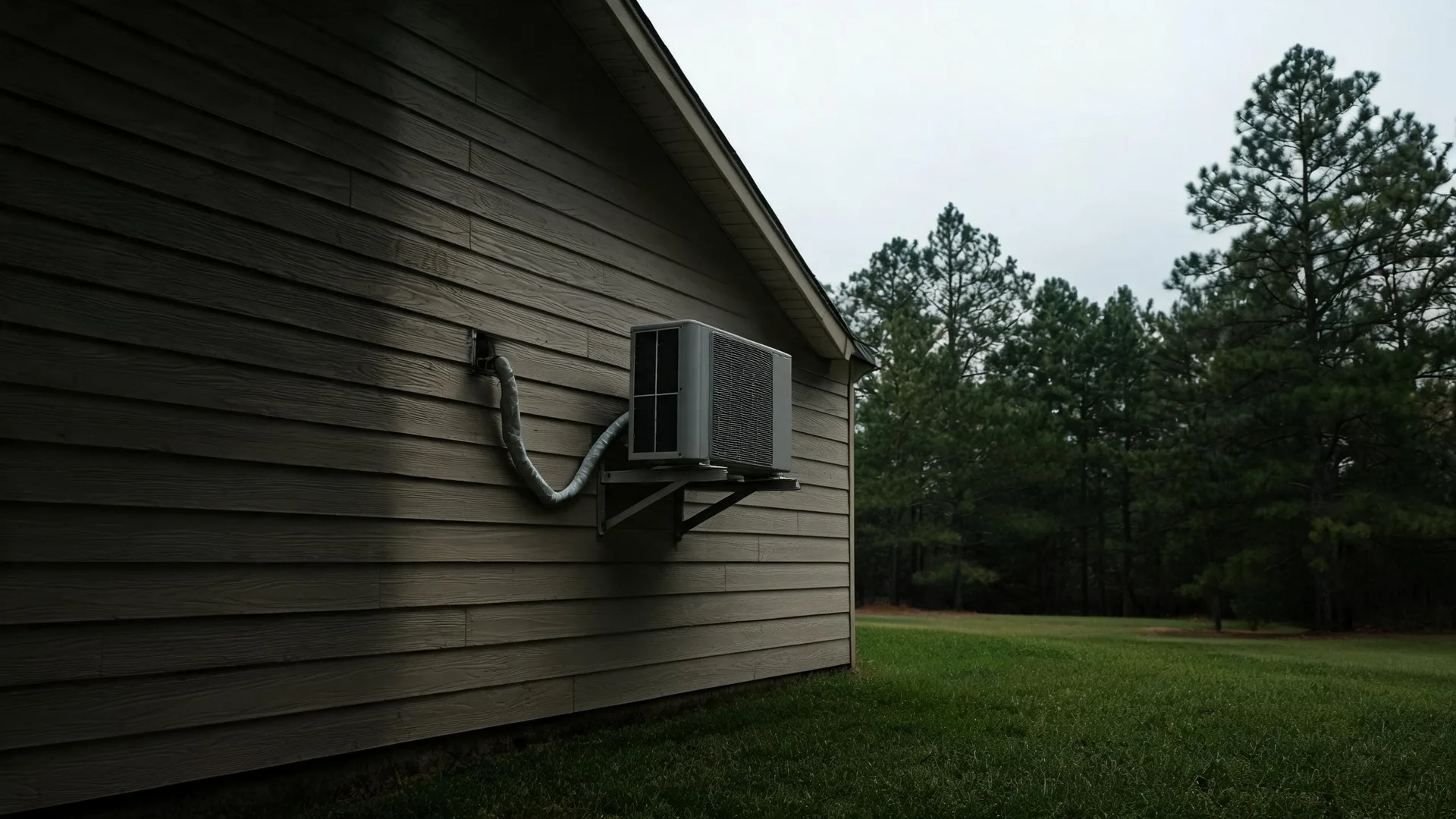
Tell us about the job
Takes about a minute. No obligation.
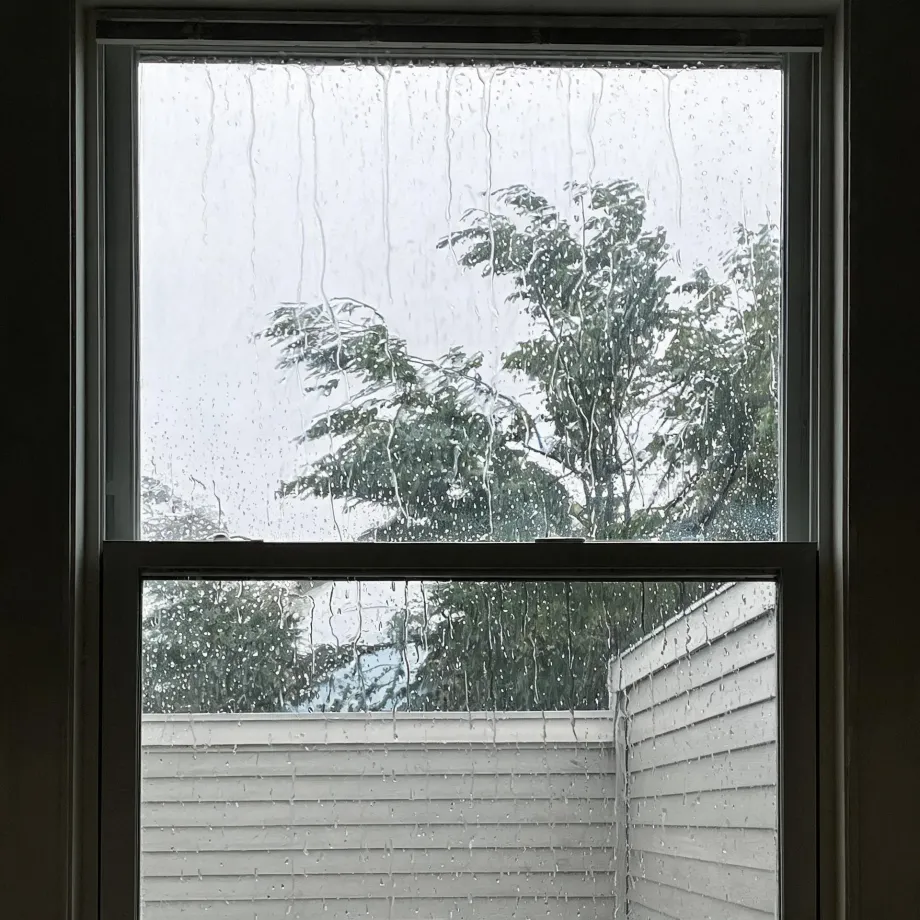
A contractor quoting a mini-split installation in Coffee County starts with what the system will actually be running against year after year. 121 severe weather events were recorded in Coffee County, Georgia between 2015 and 2024. At that rate, severe weather is a standing condition here, and a system sized or mounted for somewhere gentler will spend its life overworking. The refrigerant line placement, the mounting surface, the electrical protection built into the install: each of those decisions either holds up under that kind of regular load or it does not. A contractor who knows this area specs the job accordingly.
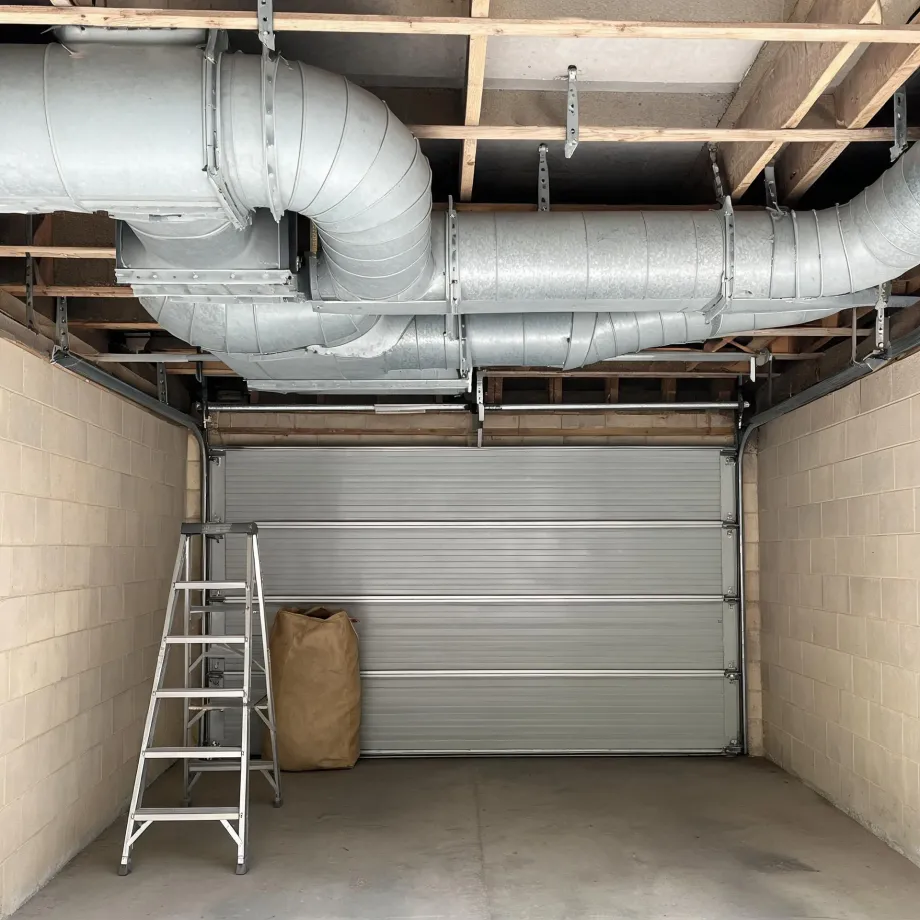
Ductwork in houses built for older central systems rarely lines up with what a ductless mini-split needs, but electrical service is the sharper constraint here. Half the homes in Coffee County, Georgia were built in 1989 or earlier (2020-2024 ACS 5-year). A panel sized for the loads of that era may not carry what a mini-split draws, and a contractor finds that out by looking at the box, not by reading the age on the permit. If the service falls short, the electrical work gets priced before the equipment does.
What a Mini-split Installation Puts in Your Home
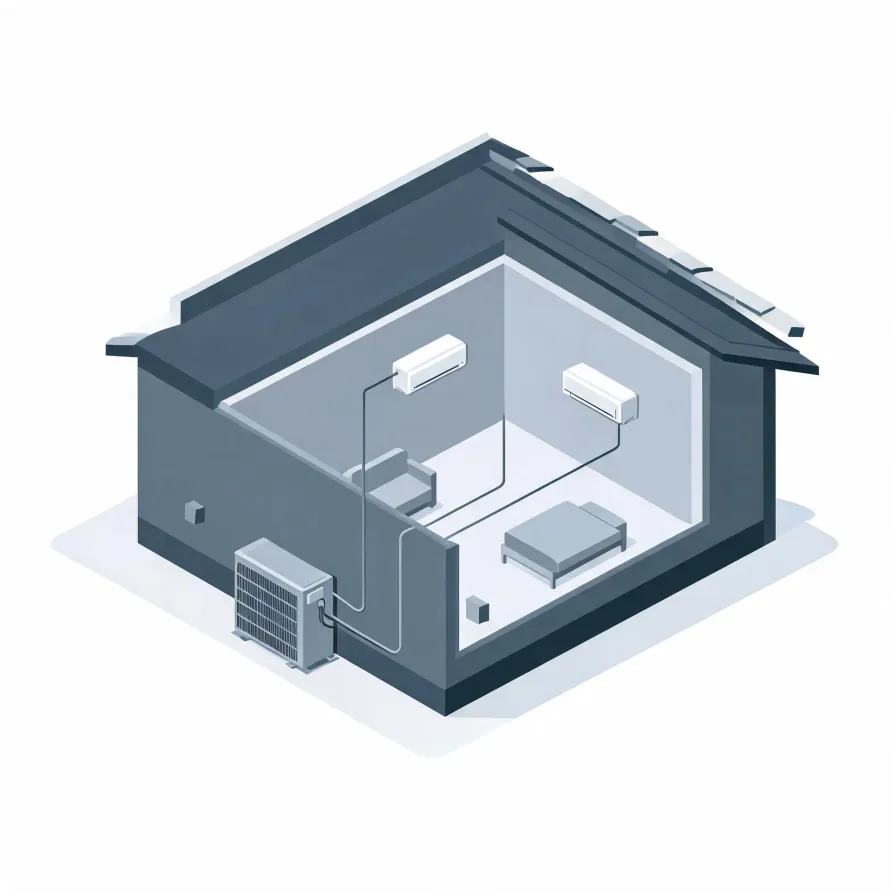
The indoor air handler mounts high on an interior wall, inside the room being conditioned, and delivers treated air directly into that space. The outdoor unit sits on the ground or a bracket outside the house and houses the compressor and condenser coil. Each indoor unit serves its own zone independently.
A refrigerant line set runs through a small penetration in the wall, connecting the indoor and outdoor units. A condensate drain line runs from the indoor handler to carry away moisture, and a dedicated electrical line feeds the outdoor unit from the panel.
The drawing shows a typical layout, and a licensed contractor determines exactly what applies to your home and its configuration.
Get matched in Coffee CountyCoffee County, Georgia, by the numbers
121 severe weather events were recorded in Coffee County, Georgia between 2015 and 2024.
NOAA National Centers for Environmental Information, Storm Events Database, bulk CSV export, events 2015-01-01 through 2024-12-31.Half the homes in Coffee County, Georgia were built in 1989 or earlier (2020-2024 ACS 5-year).
U.S. Census Bureau, 2020-2024 American Community Survey 5-Year EstimatesCoffee County, Georgia holds 17,495 housing units (2020-2024 ACS 5-year).
U.S. Census Bureau, 2020-2024 American Community Survey 5-Year EstimatesOwners occupy 64.7% of the occupied homes in Coffee County, Georgia (2020-2024 ACS 5-year).
U.S. Census Bureau, 2020-2024 American Community Survey 5-Year EstimatesSevere Weather Events in Coffee County
Weather in this part of Georgia puts real demand on heating and cooling equipment, and that demand shapes what a mini-split installation here needs to handle. Sizing and selecting the right system is a local question, and the load the climate places on it is part of that answer.
121 severe weather events, 2015–2024. Source: NOAA National Centers for Environmental Information, Storm Events Database.