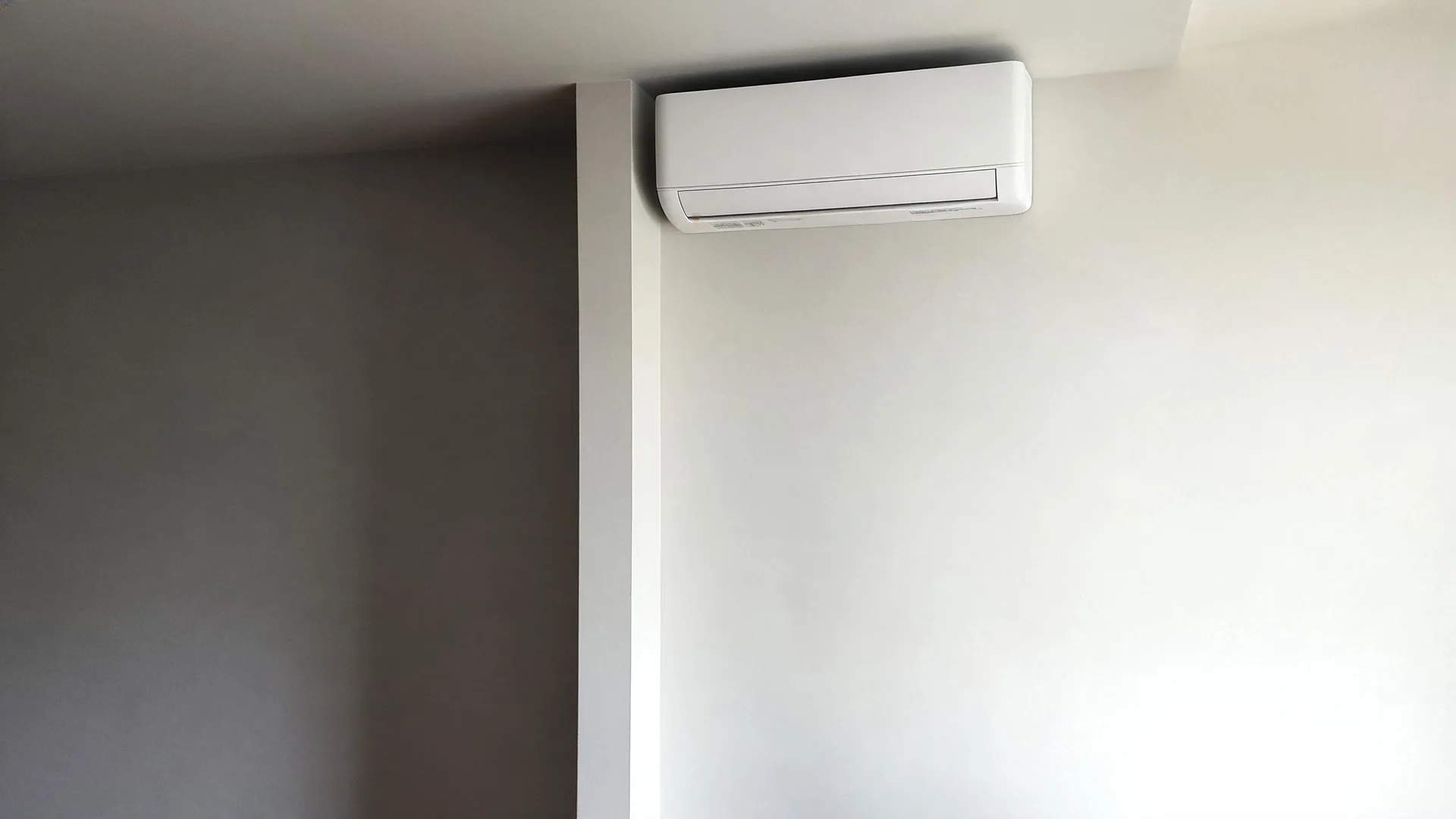
Tell us about the job
Takes about a minute. No obligation.
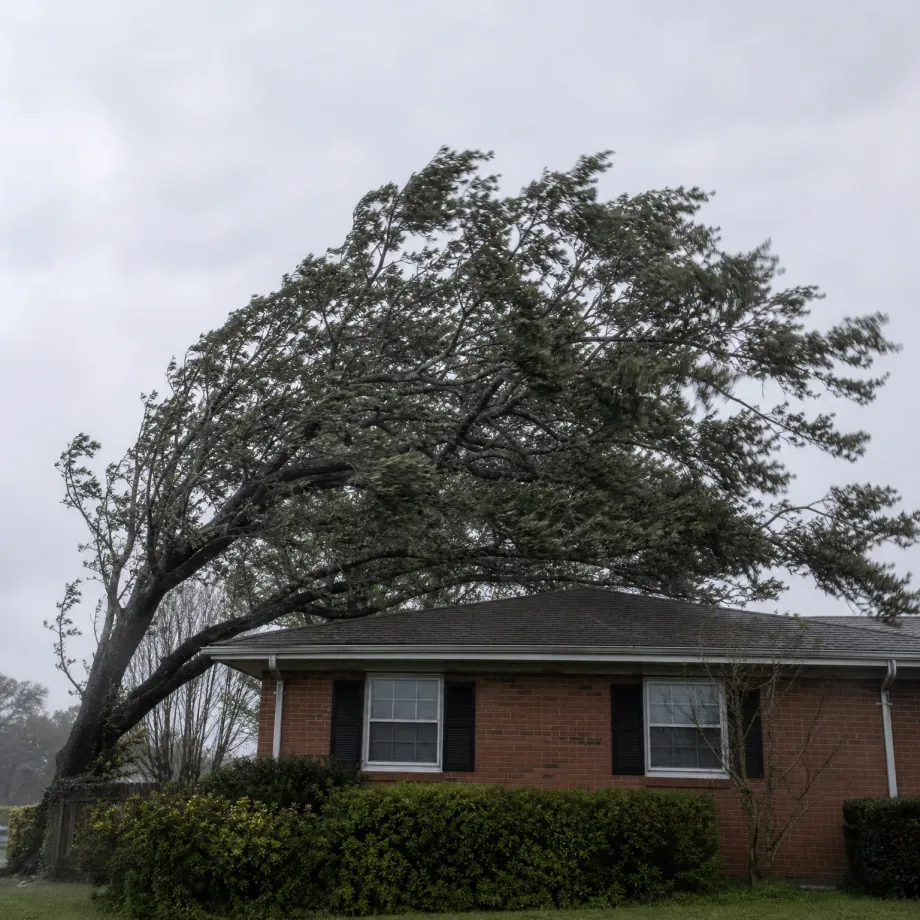
Sizing a mini-split for a Dawson County home starts with what the climate actually demands, and the weather record here is one input that shapes that conversation. 58 severe weather events were recorded in Dawson County, Georgia between 2015 and 2024. At that rate, severe weather is an occasional event rather than a standing condition, so a contractor arriving to quote an installation is not designing around accumulated storm wear. Age of existing equipment, installation quality in the original job, and how well the space was sealed are the variables that explain most of what goes wrong here, and they are what a good contractor establishes before recommending a system size or configuration.
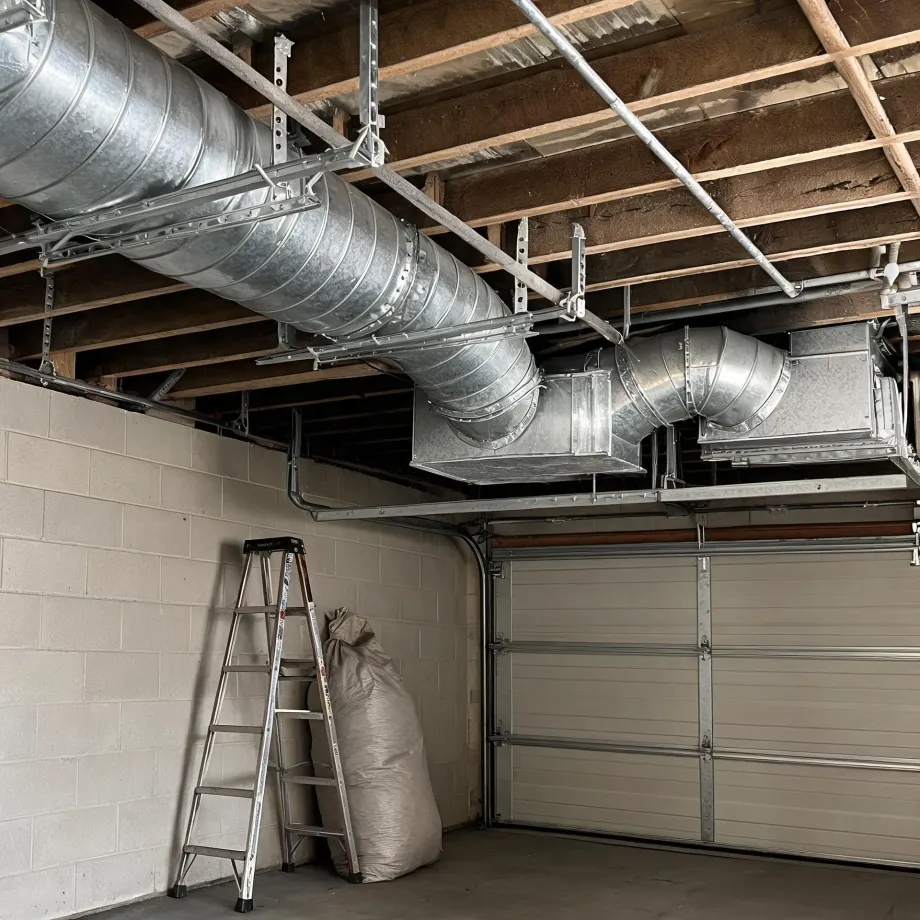
Most houses in Dawson County were not wired with a ductless system in mind. Half the homes in Dawson County, Georgia were built in 1999 or earlier (2020-2024 ACS 5-year). A contractor sizing a mini-split here checks the electrical panel before anything else, because the circuits that were put in for window units or resistance heat often fall short of what a modern ductless system draws. The unit itself is straightforward to mount; the service panel is where the job gets priced.
What a Mini-split Looks Like Once It's In
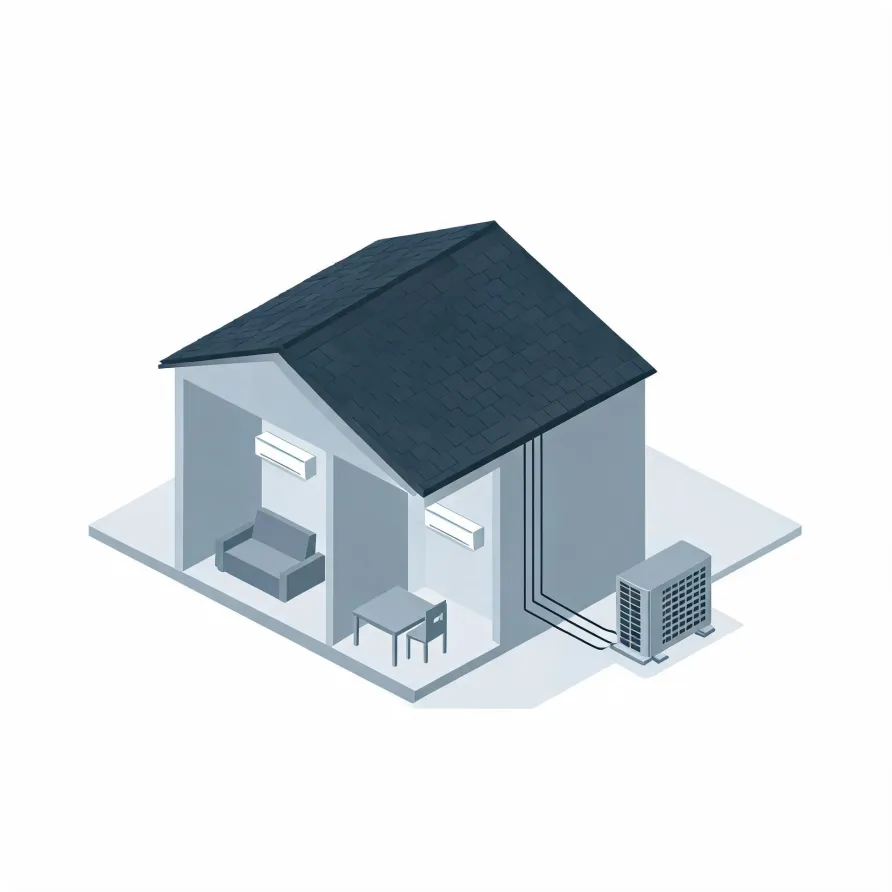
The indoor air handler mounts high on an interior wall, inside the room being conditioned. That is the unit a homeowner sees every day. The outdoor condenser sits on a pad or bracket outside the house and holds the compressor and the fan that move heat in or out.
A conduit runs through a small hole in the wall to connect the two units. It carries the refrigerant lines, a power cable, and the condensate drain line. A disconnect box goes on the exterior wall near the outdoor unit, giving the contractor a local shutoff point for the equipment.
The drawing shows the general layout of these components, and a licensed contractor determines exactly how they are positioned and routed in your house.
Get matched in Dawson CountyDawson County, by the numbers
58 severe weather events were recorded in Dawson County, Georgia between 2015 and 2024.
NOAA National Centers for Environmental Information, Storm Events Database, bulk CSV export, events 2015-01-01 through 2024-12-31.Half the homes in Dawson County, Georgia were built in 1999 or earlier (2020-2024 ACS 5-year).
U.S. Census Bureau, 2020-2024 American Community Survey 5-Year EstimatesDawson County, Georgia holds 12,992 housing units (2020-2024 ACS 5-year).
U.S. Census Bureau, 2020-2024 American Community Survey 5-Year EstimatesOwners occupy 78.7% of the occupied homes in Dawson County, Georgia (2020-2024 ACS 5-year).
U.S. Census Bureau, 2020-2024 American Community Survey 5-Year EstimatesSevere Weather Events in Dawson County
Weather conditions drive how hard heating and cooling equipment works and how often it is pushed to its limits. A mini-split sized and installed for local conditions holds up better than one specced to a national average.
58 severe weather events, 2015–2024. Source: NOAA National Centers for Environmental Information, Storm Events Database.