Tell us about the job
Takes about a minute. No obligation.
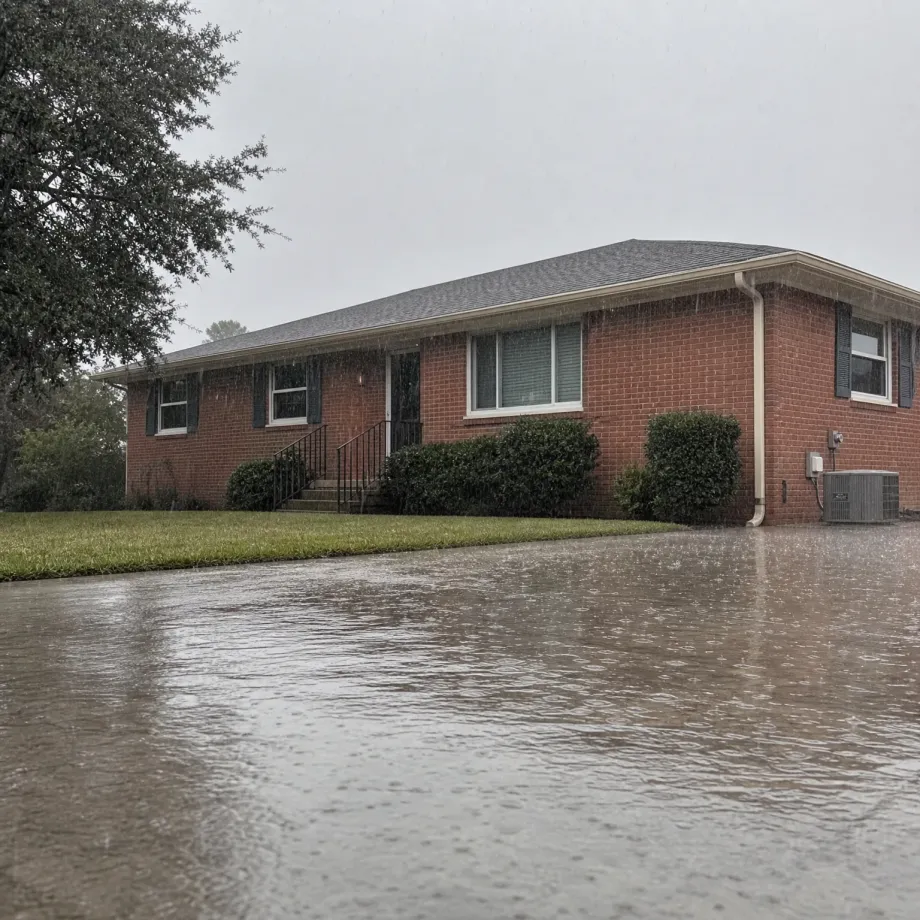
Sizing a mini-split for a Taylor County home is primarily a question of the building: square footage, ceiling height, window placement, and how well the envelope holds conditioned air. 45 severe weather events were recorded in Taylor County, Georgia between 2015 and 2024. At that rate, severe weather is an occasional event rather than a steady operating condition, which means a contractor quoting a new system here spends more time on duct-free zoning decisions and refrigerant line routing than on hardening the install against a hostile climate. Age of the structure and quality of the existing electrical supply are what shape the scope of the job.
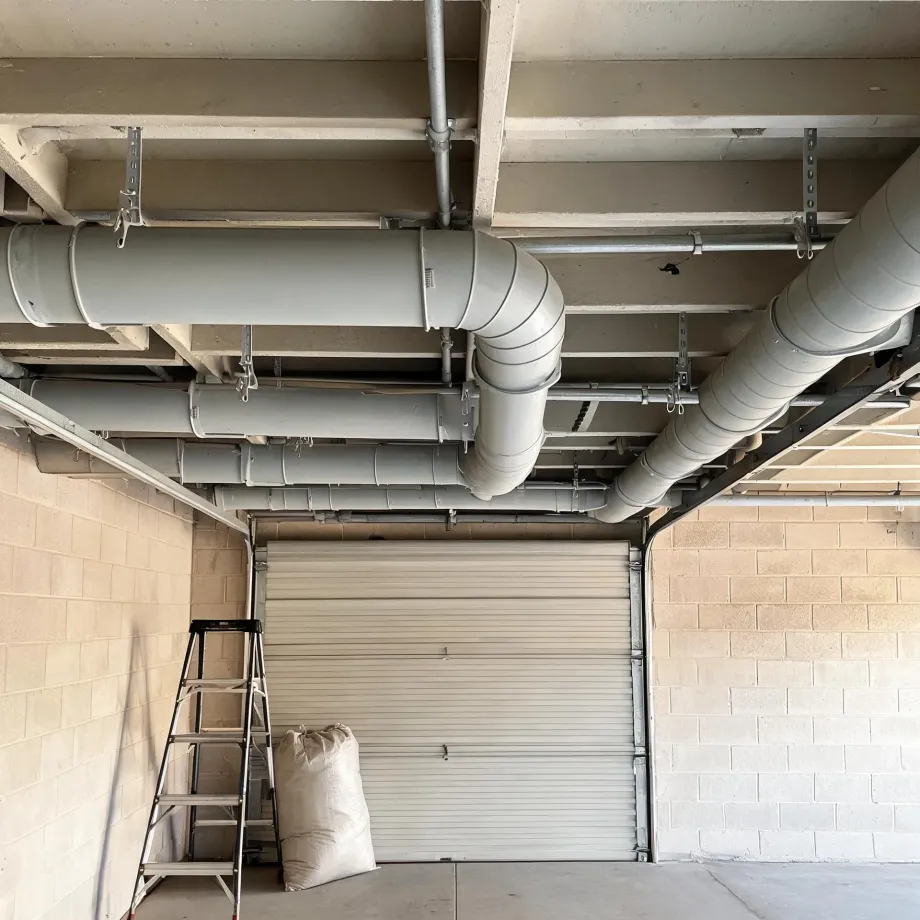
Ductwork is a secondary question on a mini-split job, since the system does not need it. What shapes the install is whether the electrical service in the house can carry what a new unit draws. Half the homes in Taylor County, Georgia were built in 1986 or earlier (2020-2024 ACS 5-year). That wiring was sized for the appliances and expectations of its time. A contractor pricing a mini-split here pulls the panel early, because what it holds determines whether the quoted work is the whole job or the first part of a larger one.
What a Mini-split Installation Puts in Your Home
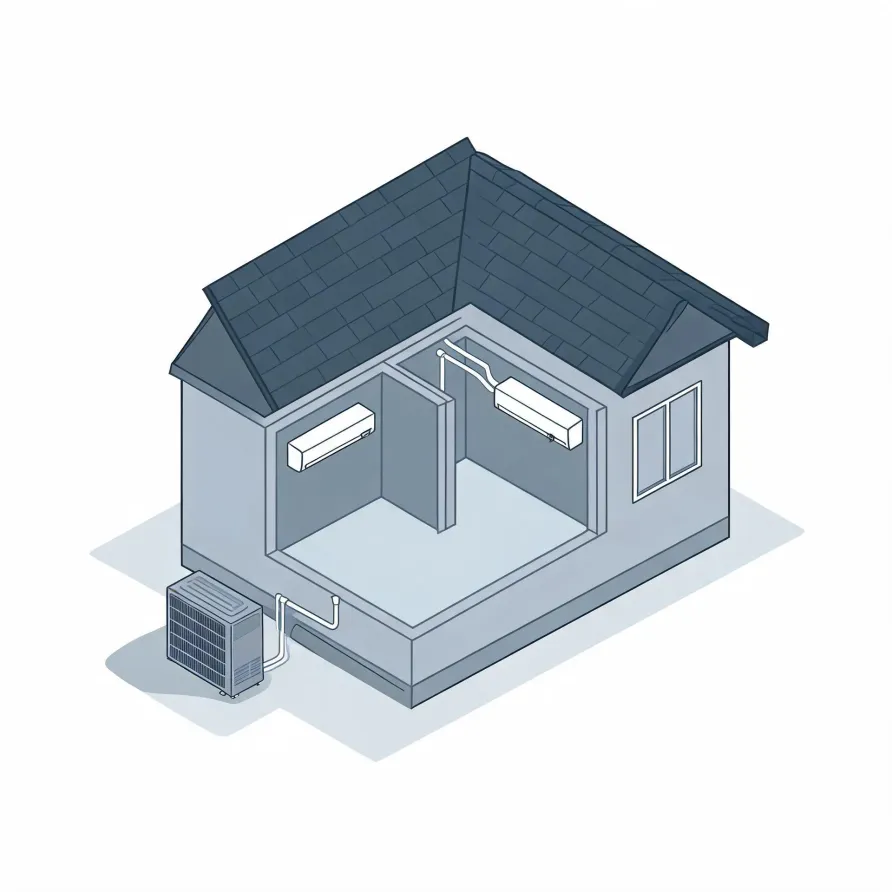
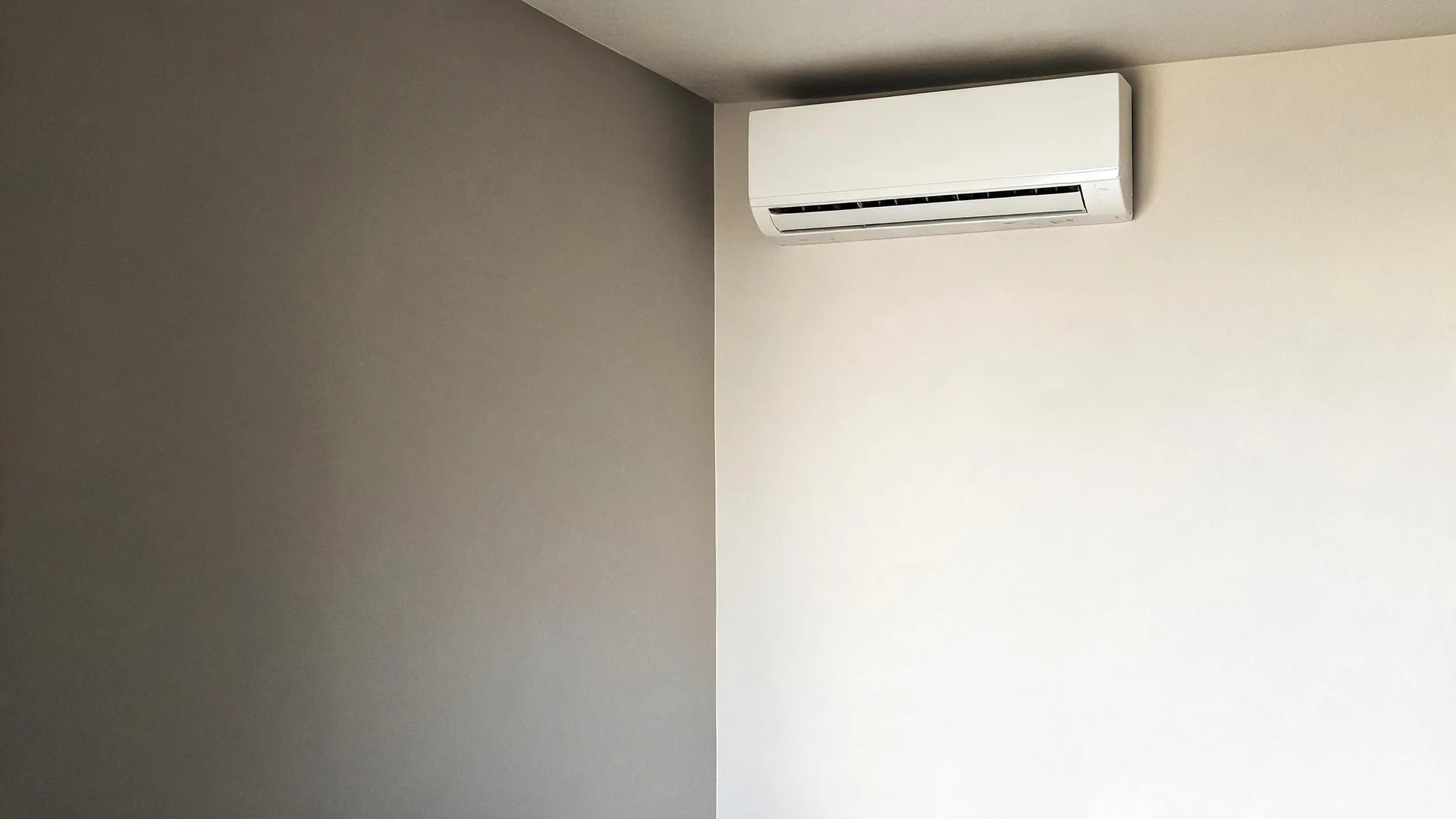
The indoor air handler mounts high on an interior wall in the room being conditioned, and it is the piece a homeowner sees every day. The outdoor condenser unit sits on the ground or a bracket outside the house, and it carries the compressor that drives the whole system.
A set of refrigerant lines and a power cable run through a small hole in the wall to connect the two units, and a condensate drain line carries moisture from the indoor unit to the outside. Some installations add a second or third indoor head, each wired back to the same outdoor unit.
The drawing shows a typical layout, and a licensed contractor determines exactly how the system is configured for your specific home.
Get matched in Taylor CountyTaylor County, Georgia, by the numbers
45 severe weather events were recorded in Taylor County, Georgia between 2015 and 2024.
NOAA National Centers for Environmental Information, Storm Events Database, bulk CSV export, events 2015-01-01 through 2024-12-31.Half the homes in Taylor County, Georgia were built in 1986 or earlier (2020-2024 ACS 5-year).
U.S. Census Bureau, 2020-2024 American Community Survey 5-Year EstimatesTaylor County, Georgia holds 3,938 housing units (2020-2024 ACS 5-year).
U.S. Census Bureau, 2020-2024 American Community Survey 5-Year EstimatesOwners occupy 62.9% of the occupied homes in Taylor County, Georgia (2020-2024 ACS 5-year).
U.S. Census Bureau, 2020-2024 American Community Survey 5-Year EstimatesSevere Weather Events in Taylor County
Weather puts a measurable load on heating and cooling equipment, and that load is shaped by what the local climate actually delivers. A mini-split sized and installed for Taylor County's conditions handles that workload differently than one specified for somewhere else.
45 severe weather events, 2015–2024. Source: NOAA National Centers for Environmental Information, Storm Events Database.