Tell us about the job
Takes about a minute. No obligation.
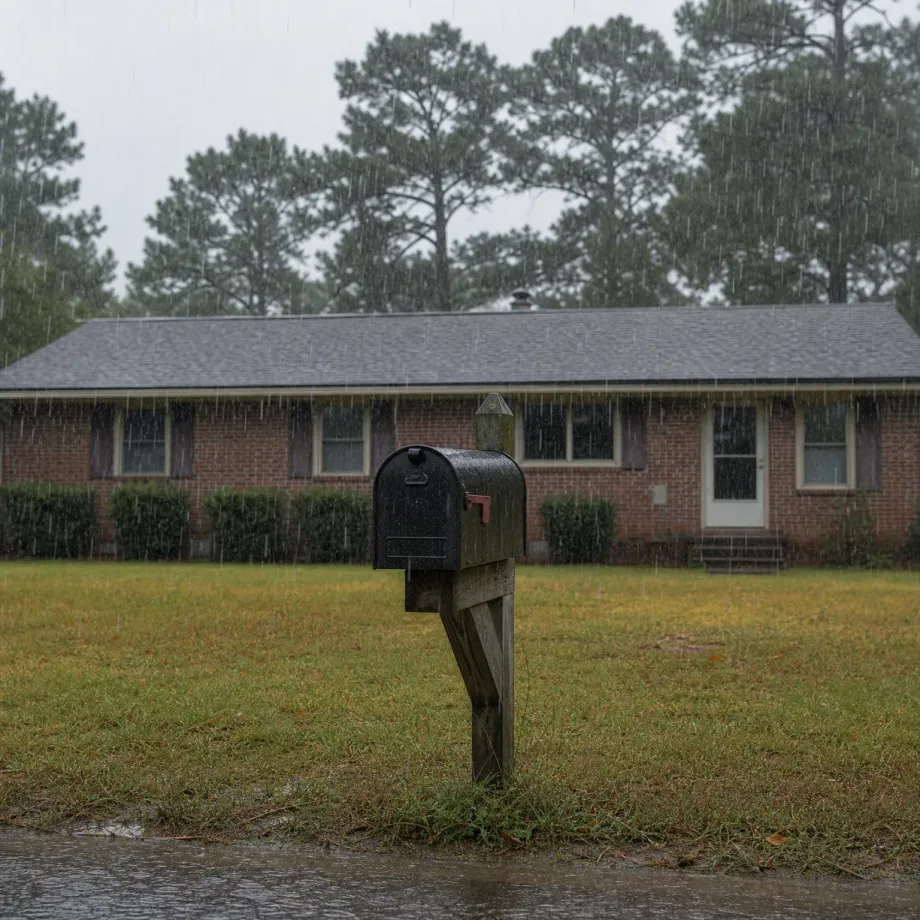
A contractor quoting a mini-split installation in Clarke County starts with the structure: the square footage, the ceiling height, the insulation, and how the rooms connect. 61 severe weather events were recorded in Clarke County, Georgia between 2015 and 2024. Events at that rate spread across years means most systems here are not being ground down by a relentless seasonal load. The weather does not disappear from the calculation, but it does not dominate it either. What drives the sizing conversation is the house.
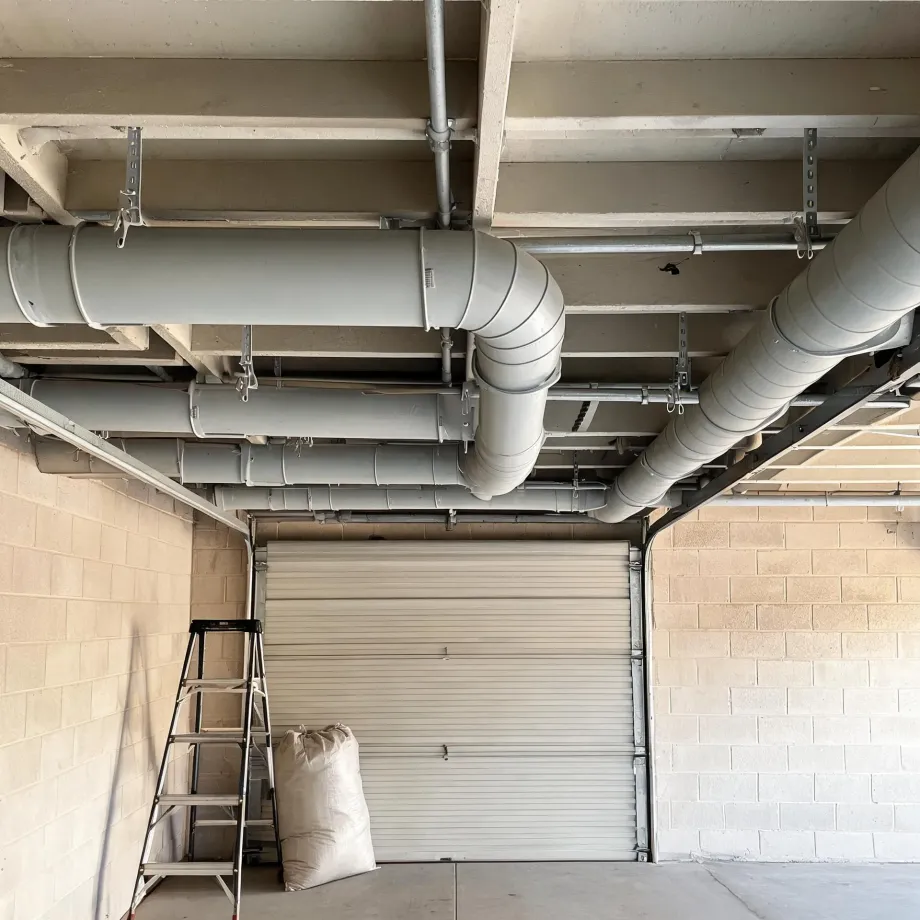
Electrical service is where a mini-split installation in Clarke County either moves quickly or stalls. Half the homes in Clarke County, Georgia were built in 1987 or earlier (2020-2024 ACS 5-year). Houses from that era were wired for loads that the equipment of that time drew, and what sits in the panel today reflects those original decisions. A contractor quoting a mini-split has to look at the service panel first, confirm what it actually carries, and determine whether a new indoor and outdoor unit can run on it without an upgrade. That answer shapes the scope and the price before the equipment conversation starts.
What a Mini-split Installation Puts in Your Home
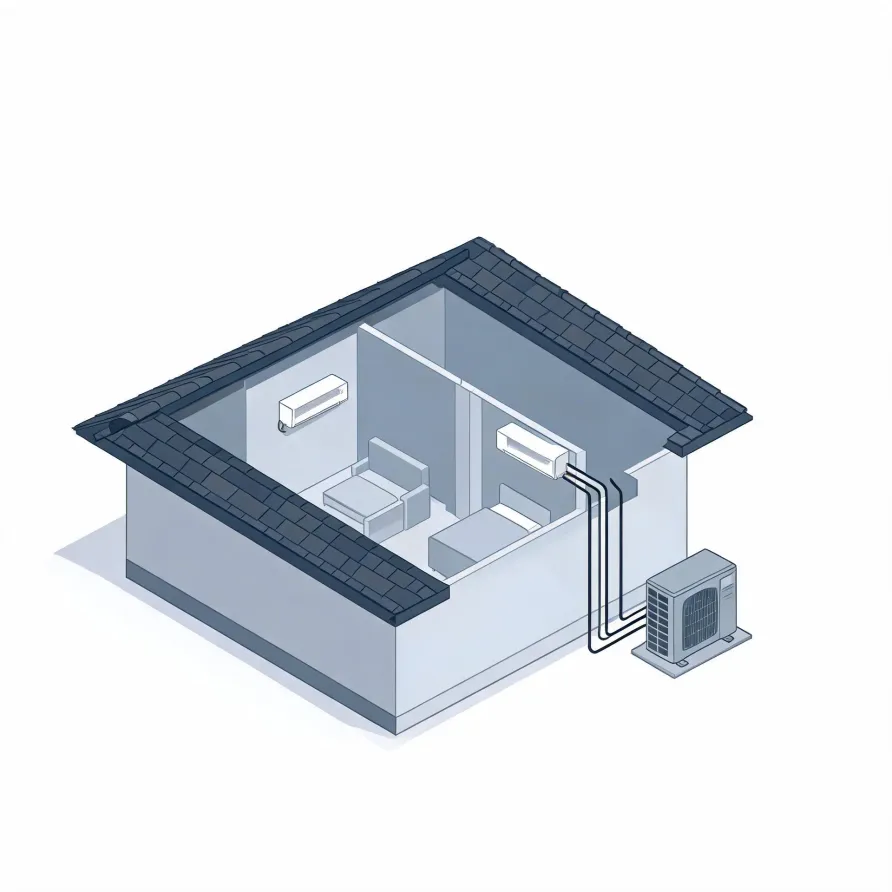
The indoor air handler mounts high on a wall inside the room being served, and that is where conditioned air enters the space. The outdoor condenser unit sits on a pad or bracket outside the house and holds the compressor. Together, those two pieces are what the installation delivers.
A refrigerant line set runs through a small penetration in the wall to connect the two units, and a condensate drain line carries moisture from the indoor handler to the outside. A dedicated electrical disconnect is mounted near the outdoor unit as well. Each of those connections is part of what a contractor puts in place during the job.
The drawing shows a typical layout, and a licensed contractor determines exactly how each piece is positioned and routed in your specific home.
Find a contractor in Clarke CountyClarke County, Georgia, by the numbers
61 severe weather events were recorded in Clarke County, Georgia between 2015 and 2024.
NOAA National Centers for Environmental Information, Storm Events Database, bulk CSV export, events 2015-01-01 through 2024-12-31.Half the homes in Clarke County, Georgia were built in 1987 or earlier (2020-2024 ACS 5-year).
U.S. Census Bureau, 2020-2024 American Community Survey 5-Year EstimatesClarke County, Georgia holds 57,918 housing units (2020-2024 ACS 5-year).
U.S. Census Bureau, 2020-2024 American Community Survey 5-Year EstimatesOwners occupy 41.4% of the occupied homes in Clarke County, Georgia (2020-2024 ACS 5-year).
U.S. Census Bureau, 2020-2024 American Community Survey 5-Year EstimatesSevere Weather Events in Clarke County
Heating and cooling equipment here has to handle whatever the local climate delivers, and that workload shapes what gets installed and how it gets sized. A contractor choosing equipment for Clarke County is making a decision about local conditions, not a generic one.
61 severe weather events, 2015–2024. Source: NOAA National Centers for Environmental Information, Storm Events Database.